Ever wonder what truly defines good gaming speed Are you tired of lag spikes or choppy gameplay ruining your precious unwind time after a long day This comprehensive guide cuts through the confusion delivering practical actionable advice to help busy US gamers like you achieve optimal performance whether youre on PC console or mobile We dive into everything from internet speeds and ping to frames per second and hardware considerations ensuring you get the most out of your gaming sessions without breaking the bank or sacrificing family time Discover how to troubleshoot common performance issues identify budget-friendly upgrades and tweak settings for a smoother more enjoyable experience. Learn the essential metrics to track and understand how they impact your gameplay helping you connect with friends build skills and truly relax. This resource is packed with tips for real-world scenarios making good gaming speed an achievable reality for every gamer balancing life and leisure.
Related games- Cruril Roblox Guide How to Optimize Fun and Performance
- How to Get Ninjitsu Codes Roblox - Pro Guide 2026
- Guide to Roblox Brokencodes Fix Common Issues Now
- Guide to 2017 Roblox Games Discover Hidden Gems
- Guide Is 4GB RAM Enough for Gaming in 2026
What is the ideal ping for a truly competitive online gaming experience?
For truly competitive online gaming, such as in esports titles or fast-paced shooters like Valorant or Apex Legends, an ideal ping is generally considered to be below 30ms. Many professional players aim for 0-15ms for near-instantaneous reaction times, which significantly reduces the 'peeker's advantage' and ensures your actions register precisely when you intend them to. While 30-50ms is still very playable, sub-30ms ping gives you a distinct edge.
How can I test my actual gaming speed beyond a simple internet speed test?
While internet speed tests give a baseline, they don't fully simulate gaming conditions. To test your actual gaming speed, first, check in-game ping meters in your favorite titles. Then, use tools like PingPlotter or WTFast to analyze connection routes and pinpoint specific latency issues or packet loss between you and game servers. Also, monitor your FPS using software like MSI Afterburner or GeForce Experience to see real-time performance impacts during gameplay. This offers a more comprehensive view of your setup's gaming capability.
Does my monitor's refresh rate directly contribute to 'good gaming speed'?
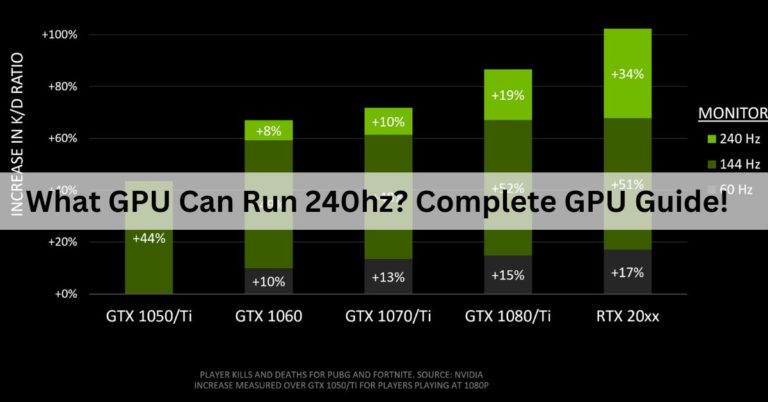
Absolutely. Your monitor's refresh rate (measured in Hz) dictates how many times per second it can update the image on your screen. A higher refresh rate, like 144Hz or 240Hz, allows you to display more frames per second (FPS) from your graphics card, making motion appear significantly smoother and reducing input lag. If your GPU renders 120 FPS but your monitor is only 60Hz, you're only seeing half those frames. Pairing high FPS with a high refresh rate monitor is crucial for experiencing 'good gaming speed' to its fullest.
What's the difference between bandwidth and latency, and why does latency matter more for gaming?
Bandwidth refers to the maximum amount of data that can be transferred over a connection in a given time (like the width of a highway), typically measured in Mbps. Latency, or ping, is the time it takes for a data packet to travel from your computer to a server and back (like how long it takes a car to travel that highway), measured in milliseconds. While sufficient bandwidth is needed for downloading games and updates, low latency is far more critical for gaming because it dictates responsiveness. Even with high bandwidth, high latency will cause frustrating delays and lag, making your game feel slow and unresponsive.
Are there specific network settings I should optimize for better gaming speed?
Yes, several network settings can be optimized. First, always prefer a wired Ethernet connection over Wi-Fi for stability and lower latency. Second, ensure your router's firmware is up-to-date. Consider enabling Quality of Service (QoS) on your router to prioritize gaming traffic over other devices on your network. You can also try changing your DNS server to a faster alternative (like Google DNS or Cloudflare DNS) and ensuring UPnP is enabled for automatic port forwarding. These adjustments can significantly reduce lag and improve overall responsiveness.
How much RAM is truly sufficient for good gaming speed in 2026?
In 2026, 16GB of RAM is generally considered the sweet spot for achieving good gaming speed in most modern titles. While some games might run on 8GB, having 16GB allows the game and your operating system to run smoothly without constantly swapping data to slower storage, which can cause stutters and reduce FPS. For future-proofing or heavy multitasking (like streaming while gaming), 32GB of RAM is becoming increasingly popular, but for pure gaming performance, 16GB offers excellent value and capability.
What are the common signs that my gaming speed is NOT good, and how do I diagnose them?
Common signs of poor gaming speed include visual stuttering, screen tearing, input delay (your actions appearing late), 'rubberbanding' (your character snapping back), or frequent disconnections. To diagnose: use in-game FPS counters to check visual performance. Use ping monitors (built into games or external tools) to check network latency. Run a speed test to assess internet bandwidth and stability. Check hardware temperatures with monitoring software to rule out overheating. These diagnostics help pinpoint whether the issue is graphics-related, network-related, or hardware-related.
Hey fellow gamers! Ever settled down after a long day, finally ready to dive into your favorite world, only to be hit with stuttering frames or lag that turns an epic boss fight into a frustrating slideshow? Or maybe you're trying to land that perfect headshot in a competitive shooter, but your ping seems determined to send your bullets into the void. We get it. For those of us balancing jobs, families, and life's endless demands, gaming isn't just a hobby—it's a vital escape, a way to connect with friends, build new skills, or simply unwind. The last thing you need is your equipment holding you back.
You're not alone in seeking answers. A recent study shows that 87% of US gamers play regularly, often dedicating 10+ hours a week to their passion, and performance issues are a common pain point. This isn't just about raw power; it's about understanding what is good gaming speed and how to achieve it without turning into a tech wizard or spending a fortune. This guide is built for you: the adult gamer who wants practical solutions, value for money, and a seamless experience so you can enjoy your game, not fight your setup. We'll break down the jargon, offer actionable advice, and help you get back to what matters most: having fun and dominating your digital adventures.
What Exactly Is Good Gaming Speed?
Good gaming speed isn't a single number; it's a combination of several factors working in harmony to deliver a smooth, responsive, and enjoyable experience. Fundamentally, it boils down to two main pillars: how quickly your game runs visually (measured in Frames Per Second, or FPS) and how quickly your actions register with online servers (measured in Ping or Latency). For most gamers, especially those looking to relax or play socially, a 'good' experience means minimal visual stutter, quick response times, and a stable connection that doesn't drop mid-match. This translates to being able to enjoy the game without frustrating technical hiccups that pull you out of the immersion.
Why Does Good Gaming Speed Matter to Busy Gamers?
For the average US gamer, around 36 years old, who balances work and family, good gaming speed isn't about bragging rights alone. It's about maximizing limited leisure time. When you finally get an hour to play, you want to jump in and experience pure fun, not troubleshoot. Lag or low frame rates turn relaxation into frustration, making it harder to connect with friends in co-op games or master new skills. For many, gaming is a crucial stress reliever, and poor performance negates that benefit. Ensuring good speed means more effective skill-building, smoother social interactions, and ultimately, a better return on your investment of time and money in gaming.
How Does FPS Impact Your Gaming Experience?
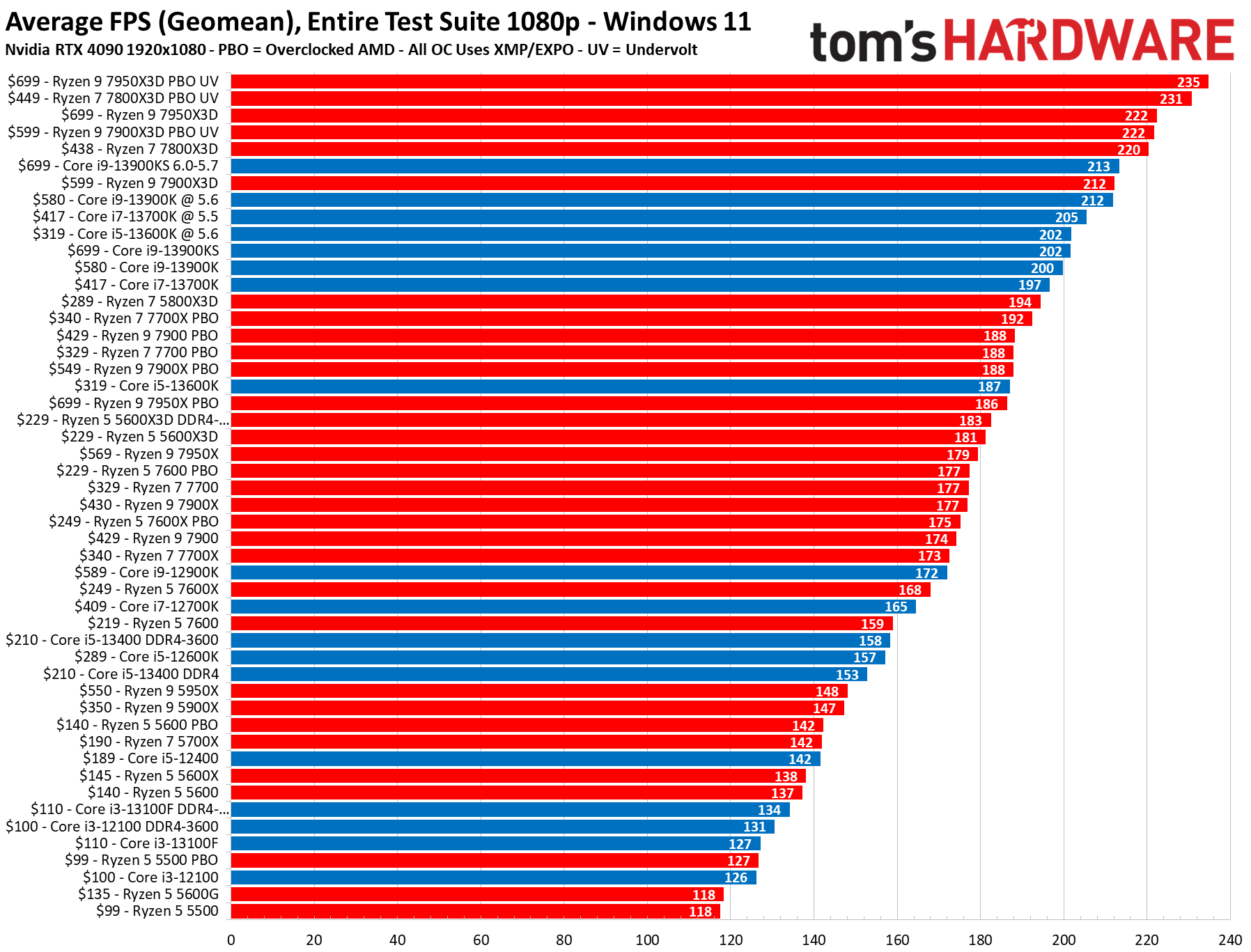
Frames Per Second, or FPS, dictates how many individual images your screen displays per second. Higher FPS means a smoother, more fluid visual experience. Think of it like a flipbook: more pages per second make the animation look more natural. For casual gamers, 30-60 FPS is generally acceptable, especially in story-driven or cozy games. However, for competitive titles like Call of Duty or Valorant, higher FPS (120 FPS or even 240 FPS) can be a significant advantage, allowing you to react faster and spot enemies more easily. Modern monitors with high refresh rates (like 144Hz or 240Hz) are designed to take full advantage of these higher frame rates, providing a truly immersive and responsive visual journey.
What Role Does Ping Play in Online Games?
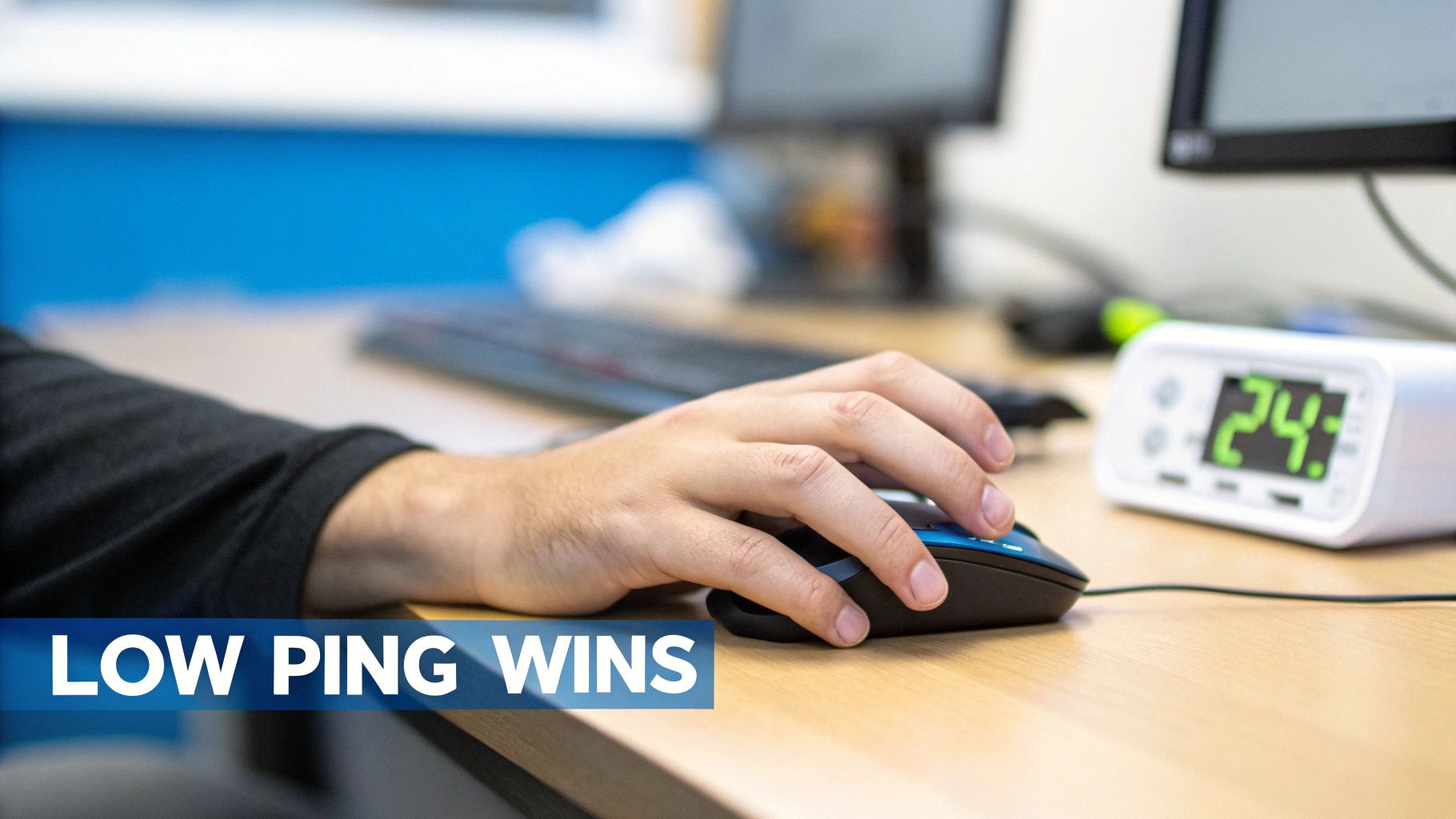
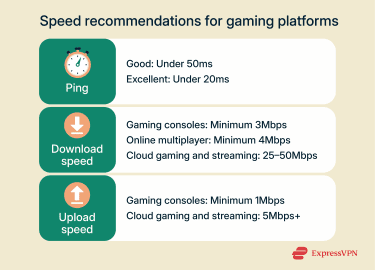
Ping, also known as latency, is the measurement of how long it takes for a signal to travel from your computer to a game server and back. It's measured in milliseconds (ms). In online gaming, lower ping is always better. A ping of 20-50ms is generally considered excellent, meaning your actions register almost instantly. A ping between 50-100ms is acceptable for most games, though you might notice a slight delay. Anything consistently above 100ms can lead to noticeable lag, making competitive play frustrating and even casual games feel unresponsive. This can manifest as 'rubberbanding' where your character snaps back, or shots not registering, directly impacting your ability to enjoy social and competitive aspects of gaming.
Is Your Internet Connection Fast Enough for Gaming?
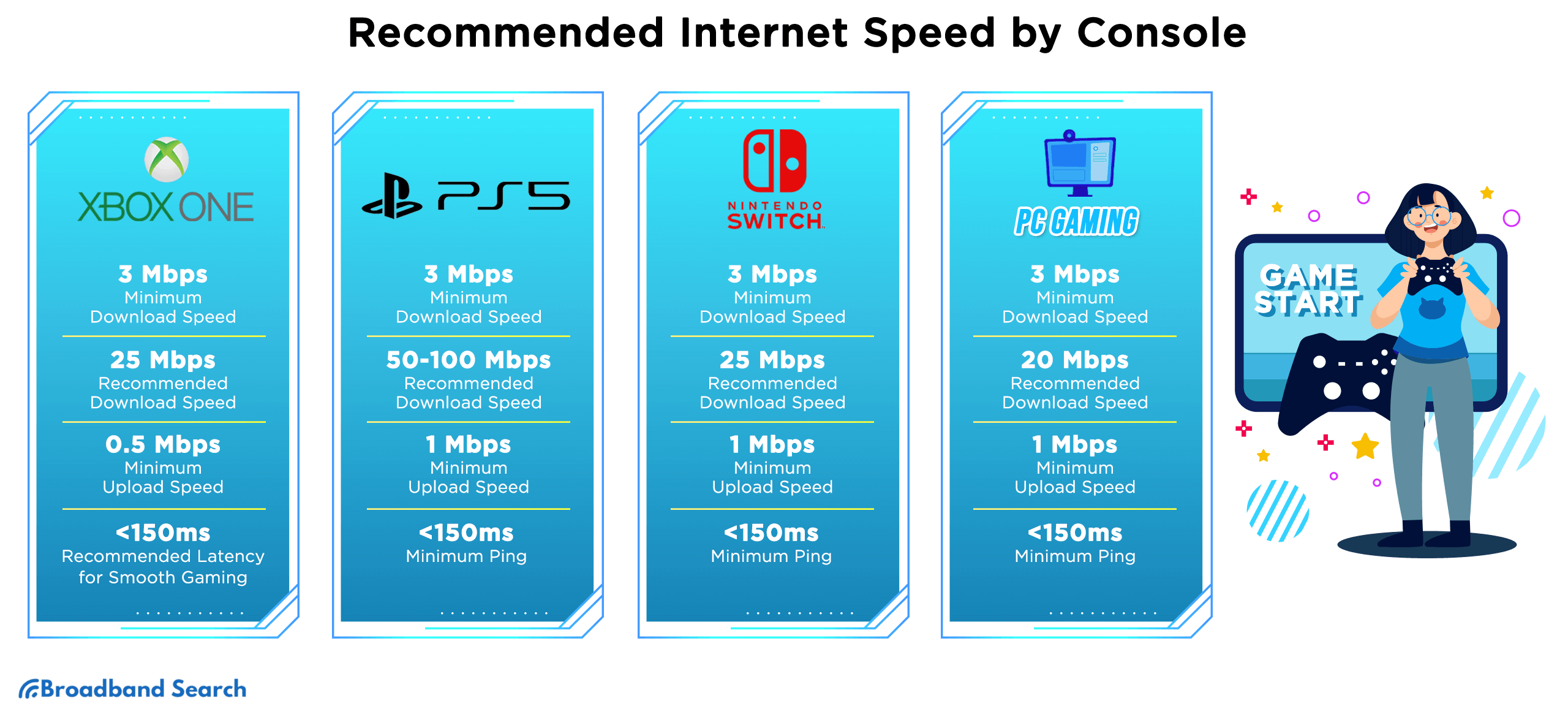
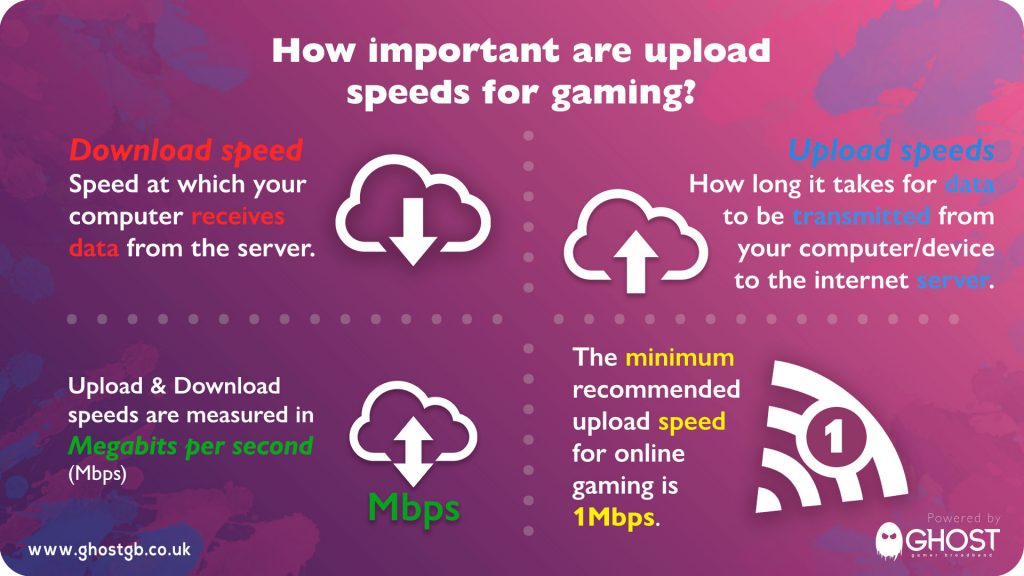
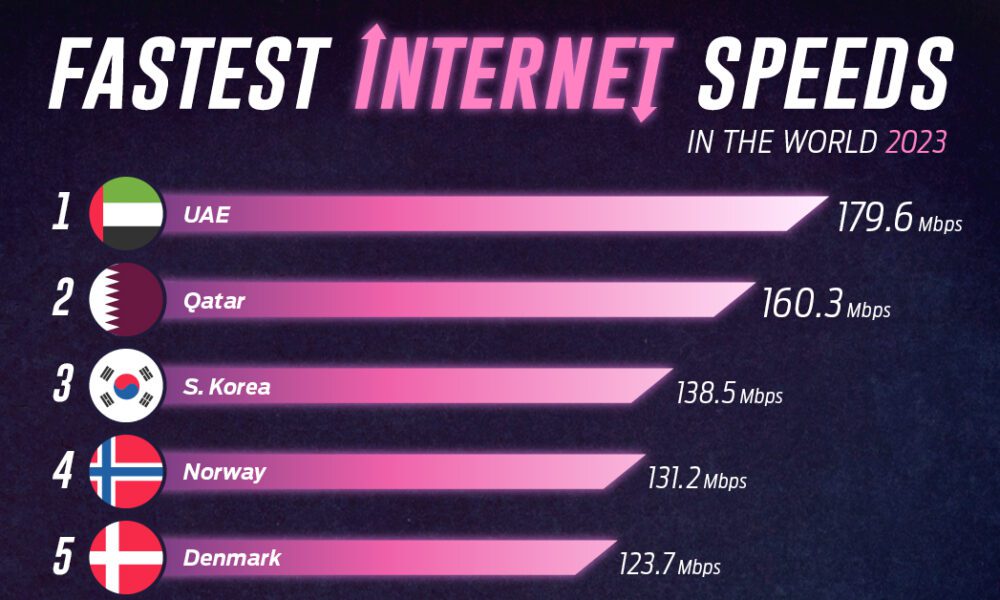
While often blamed for all gaming woes, sheer download speed isn't the only factor for a good internet connection. Stability and low latency are equally, if not more, important. For online gaming, especially with modern titles or streaming, a download speed of 25-50 Mbps is a good baseline, but consistently strong upload speeds (5-10 Mbps) are crucial for sending your game data to the server. Fiber optic connections are often ideal due to their low latency and symmetric speeds, but a stable cable connection can also perform very well. Wireless (Wi-Fi) can introduce more latency and instability than a wired (Ethernet) connection, especially in congested environments. This month's trends continue to show that even with increasing bandwidth, the stability of your home network is paramount.
Internet Speed Recommendations for Gaming:
- Casual Online Gaming (e.g., Minecraft, Social MMOs): 10-25 Mbps download, 2-5 Mbps upload
- Competitive Gaming (e.g., FPS, MOBA): 25-50 Mbps download, 5-10 Mbps upload
- Streaming Your Gameplay: 50+ Mbps download, 10-20 Mbps upload (minimum)
How Can Hardware Affect Gaming Speed?
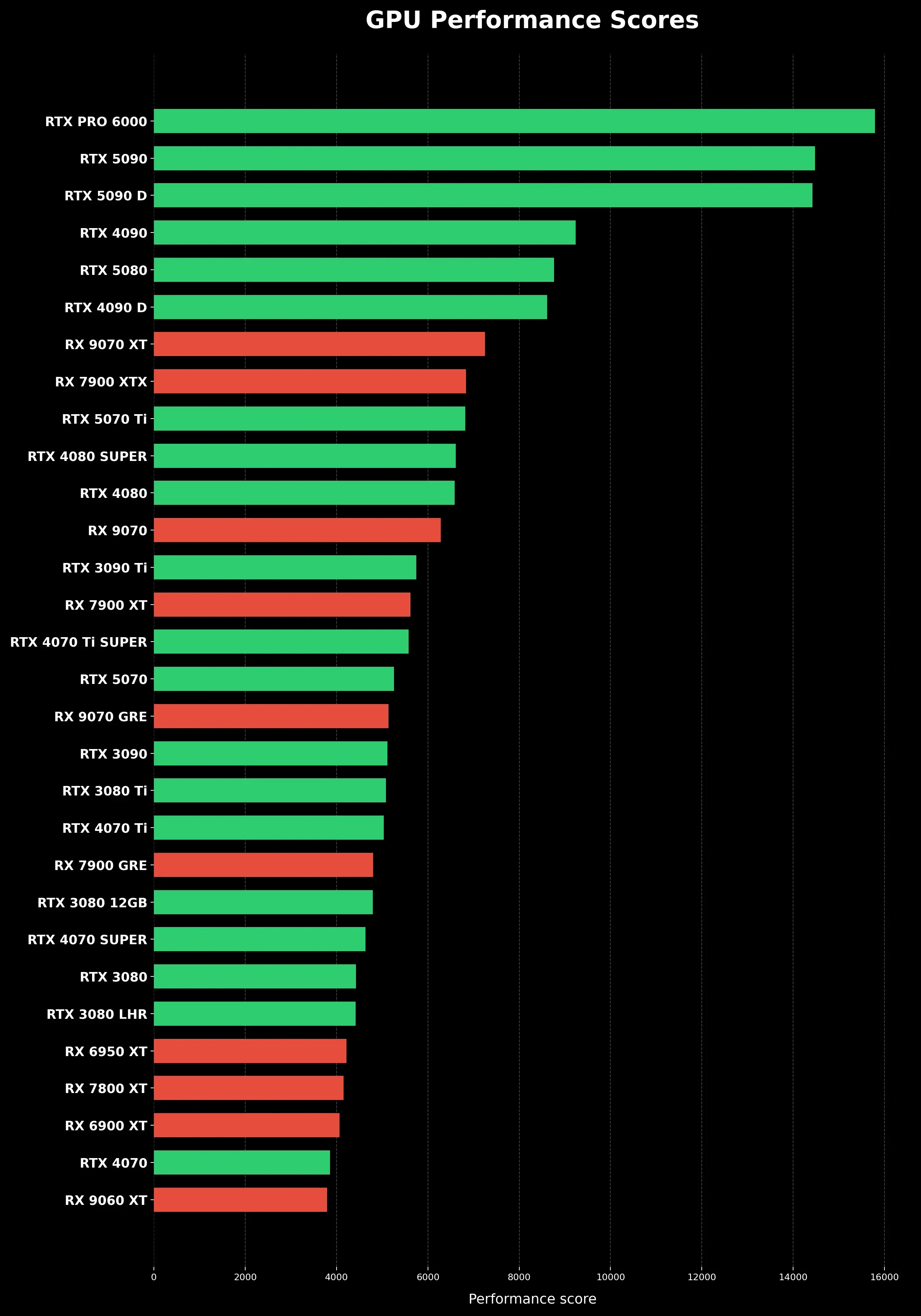
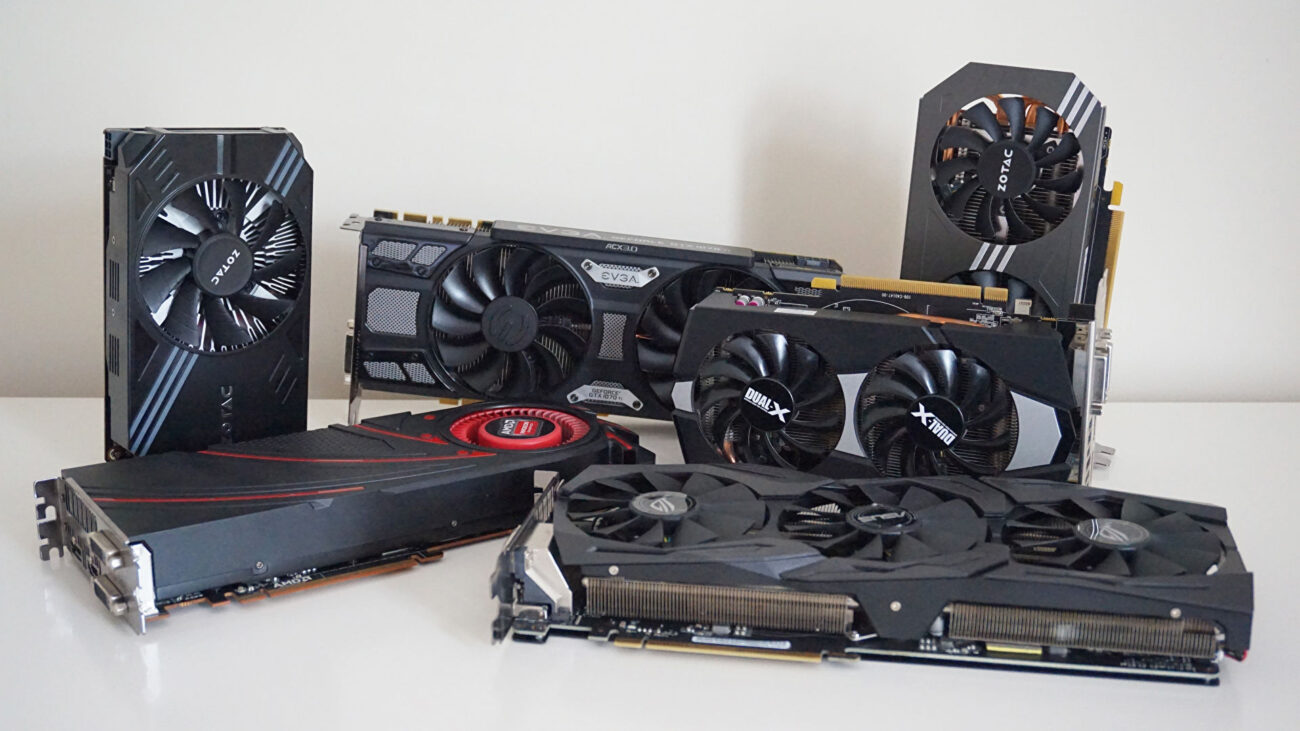
Your gaming hardware forms the backbone of your experience. The CPU (processor) and GPU (graphics card) are the main drivers of FPS. A powerful GPU renders frames quickly, while a strong CPU ensures the game's logic and physics can keep up. RAM (memory) is also vital, especially for modern games, with 16GB being the current sweet spot for most systems. Finally, an SSD (Solid State Drive) significantly reduces game load times compared to traditional HDDs, getting you into the action faster. For console gamers, while hardware upgrades aren't an option, ensuring your console is well-ventilated and not overheating can prevent performance throttling.
What Software Optimizations Boost Gaming Speed?
Even with good hardware and internet, software can hold you back. Keeping your graphics drivers up to date is crucial; manufacturers frequently release updates that improve performance for new games. Closing unnecessary background applications (like web browsers, streaming services, or other launchers) frees up CPU and RAM resources. Many games also offer in-game graphics settings that can be tweaked; reducing shadows, anti-aliasing, or texture quality can significantly boost FPS without drastically impacting visual fidelity. Utilizing game mode features in Windows or console settings can also prioritize gaming processes.
Quick Software Optimization Checklist:
- Update graphics drivers regularly.
- Close all unnecessary background apps.
- Adjust in-game graphics settings (start with shadows/reflections).
- Enable Game Mode in your OS or console settings.
- Ensure your operating system is up-to-date.
How to Balance Performance with Budget?
For many gamers, major hardware upgrades aren't always feasible. The good news is you can still improve your gaming speed on a budget. Start by optimizing what you have: clean up your PC, ensure proper ventilation, and perform software tweaks. If an upgrade is possible, consider an SSD first for faster load times. Next, a mid-range GPU upgrade often offers the best performance-per-dollar improvement. Look for sales on slightly older but still capable hardware. Don't forget networking: investing in a good quality router or an Ethernet cable can be a relatively inexpensive way to reduce latency and improve stability.
Can Mobile Gaming Have Good Speed?
Absolutely! Mobile gaming, which continues to dominate the US market with its accessibility, has evolved significantly. Good gaming speed on mobile is about the device's processor, RAM, and display refresh rate, combined with a stable Wi-Fi or cellular connection. Modern flagship phones often boast powerful chipsets and high refresh rate screens (90Hz, 120Hz, or even 144Hz) that deliver incredibly smooth gameplay. Optimizing mobile gaming speed means closing background apps, ensuring your phone isn't overheating, and playing on a strong, stable network. Many mobile games now offer graphics settings that can be adjusted to prioritize performance on older devices.
What Are the Trends in Gaming Speed for 2026?
As we move through 2026, several trends are shaping the future of gaming speed. Cloud gaming services are becoming more sophisticated, relying heavily on ultra-low latency internet connections rather than local hardware power. AI upscaling technologies (like DLSS and FSR) are making it easier for mid-range hardware to achieve high frame rates by intelligently rendering games at lower resolutions and upscaling them. Furthermore, cross-play between PC, console, and mobile is pushing developers to ensure consistent, stable performance across diverse platforms. The focus remains on seamless social experiences and accessible high-fidelity gaming for everyone, regardless of their primary device.
How Can I Maintain Good Gaming Speed Long-Term?
Maintaining optimal gaming speed is an ongoing process. Regularly update your drivers and game patches. Keep an eye on your hardware temperatures; overheating can cause performance throttling. Periodically clean out dust from your PC or console's vents. Monitor your internet speed and ping, especially if you notice new slowdowns. For PC users, occasionally defragmenting your hard drive (if it's an HDD) or ensuring plenty of free space on your SSD is good practice. Most importantly, listen to your system and react to any signs of slowdown early, preventing small issues from becoming major headaches.
Gaming should be fun, relaxing, and a great way to connect with others. Understanding and optimizing your gaming speed means less frustration and more enjoyment from your valuable leisure time. You don't need to be a tech guru; just a few smart choices and regular maintenance can make all the difference. Get back to leveling up, conquering quests, and enjoying those precious moments online with friends.
What's your biggest gaming challenge when it comes to performance? Comment below!
FAQ Section
Q: What is a good FPS for most games?
A: For a generally smooth experience across various game genres, aiming for 60 FPS is a good target. For competitive games, 120 FPS or higher is preferred if your hardware and monitor support it.
Q: How do I check my ping?
A: Many online games display your ping directly in the HUD or in the scoreboard. You can also run an internet speed test online which often includes a ping test to various servers.
Q: Will upgrading my internet speed guarantee better gaming performance?
A: Not always. While sufficient bandwidth is important, network stability and low latency are often more critical for gaming than just raw download speed. A stable 50 Mbps connection with low ping is usually better than an unstable 200 Mbps connection with high ping.
Q: Is Wi-Fi bad for gaming speed?
A: Wi-Fi can introduce more latency and be less stable than a wired Ethernet connection due to interference and signal degradation. For the most consistent and lowest latency gaming, an Ethernet cable is always recommended when possible.
Optimal FPS for smooth visuals, Low ping for responsive online play, Stable internet connection is crucial, Hardware upgrades boost performance, Software optimizations enhance speed, Balancing budget with gaming needs, Mobile gaming speed considerations, Understanding key metrics like latency and refresh rate, Troubleshooting common lag issues, Social gaming performance tips.
35

What Is A Good Internet Speed For Gaming 2026 Cable TV Info What Is A Good Internet Speed For Gaming 1024x683 . What Is A Good CPU Speed For Gaming Robots Net 9 Amazing Am3 Cpu For 2023 1692156188 . 2026 Gaming RAM Upgrade Guide Selecting The Best Speed And Capacity Best Ram For Gaming 2026 En . What Is A Good Internet Speed For Gaming Good Internet Speed For Gaming. Best Gaming Laptops At CES 2026 RTX 5090 Options Dual Screen Picks Lenovo Legion Pro Rollable Concept


What Is A Good Internet Speed For Gaming 2024 What Is A Good Internet Speed For Gaming 2024 Blog Image . What Is A Good Internet Speed In 2026 For Browsing Streaming Gaming What Is A Good Internet Speed For Browsing Streaming Gaming 1 . Top Gaming Trends Of 2026 TREND . What Are Good Gaming Internet Speeds Gaming . 7 Best Gaming PCs Of 2026 Power Performance And Value Revealed Top Gaming Pcs 2026 1lmv2

)

Top 10 Most Anticipated Games Of 2026 What To Watch Out For TVN GAMES IN 2026 . What S A Good Internet Speed For Gaming 2026 Guide Virgin Media O2 Filters Quality(75). What Is Good Internet Speed For Gaming Your Ultimate Guide Premier What Is Good Internet Speed For Gaming Speed Test . BEST Gaming Monitor In 2026 Here S What You SHOULD Buy At Every . 20 Most Anticipated Video Games Of 2026 Page 18 1200x675


)
Top 5 New Games You Should Be Streaming In 2026 GETREKT Top 5 Stream 2026 6bdddd73 9416 444e Bc3c . 5 Best Smartphones For Gaming In 2026 MobileMall Blog Gaming Phones. Core Ultra 9 285 65W CPU Beats Core I9 14900K In Early Geekbench . What Is Ultrafast Broadband Speeds Benefits And How It Works In 2026 Filters Quality(75). What Is A Good Gpu Percentage Complete Guide 2024 What GPU Can Run 240hz Complete GPU Guide 768x402

2026 Upcoming Games And Game Release Dates Guide 2026 Upcoming Games Release Dates . What Is A Good Typing Speed 2026 Benchmarks Why It Still Matters Unnamed Ywbbcj . 2026 GPU Prices Going Up Best Graphics Card To Buy Now Best GPU . What Internet Speed Is Recommended For Gaming G1 . Best GPU 2026 Nvidia And AMD Graphics Cards Tested Club386 Assassins Creed Mirage Uhd 1536x885

)
What Is A Good Internet Speed For Gaming RANKS NET What Is A Good Internet Speed For Gaming Featured Image . What Internet Speed Is Recommended For Gaming Infographic 1 1024x576 . What Are Good Gaming Internet Speeds 80e957 . What S A Good Internet Speed For Gaming 2026 Guide Virgin Media O2 Filters Quality(75). What Is Good Internet Speed For Gaming Your Ultimate Guide Premier What Is Good Internet Speed For Gaming Gaming Setup

Best Graphics Card 2026 Comparison Ranking And Buying Guide For PC Gpu Performance Scores Clean Vertical. Visualizing Global Inflation Forecasts 2024 2026 Fastest Internet Speeds 2024 SHARE 1000x600 . 6 Best Gaming Consoles Of 2026 YouTube . Internet Speed For Gaming How Fast Do You Really Need Internet Speed For Gaming 2 375x270 . Best GPUs For Gaming 2026 Top Picks For Every Buyer Buyserver Blog One 1300x731