Navigating the world of gaming resolution can feel like a labyrinth, especially for the average US gamer juggling work, family, and a precious few hours for digital escape. This comprehensive guide cuts through the technical jargon to answer the burning question: does resolution truly matter for your gaming experience? We will explore how different resolutions impact visual fidelity, system performance, and ultimately, your enjoyment. Discover the optimal balance for your setup, whether you are on a budget, chasing competitive edge, or simply want stunning visuals. Learn what 87% of US gamers, who regularly play 10+ hours a week, prioritize when considering resolution upgrades in 2026. This resource is packed with practical advice for maximizing your gaming fun without breaking the bank or sacrificing precious playtime to frustrating setup issues. We tackle common pain points and offer actionable solutions for real-world gamers.
Related games- Guide To Bass Boosted Music Codes Roblox 2026
- How to Download Roblox: Your 2026 Essential Guide
- Guide How To Get Roblox On Nintendo Switch
- Guide to Redux PC: Optimize Your Gaming Experience
- How to Revisit Old Roblox Icons and Nostalgia Guide
Does Resolution Matter for Gaming in 2026?
Yes, resolution absolutely matters for gaming, but its importance is highly dependent on your priorities, hardware, and the type of games you play. For immersive, visually stunning single-player experiences, higher resolutions like 1440p or 4K greatly enhance detail and fidelity. For fast-paced competitive multiplayer games, however, maintaining high frame rates at resolutions like 1080p or 1440p often takes precedence over pure pixel count for a smoother, more responsive experience. It's about finding your personal balance, especially for gamers who balance life and play.
How Does 4K Gaming Impact Performance on My PC?
4K gaming significantly impacts PC performance by requiring your graphics card to render four times as many pixels as 1080p. This massively increases the GPU's workload, leading to considerably lower Frame Rates Per Second (FPS) unless you have a high-end, modern GPU (like an NVIDIA RTX 4080 or AMD RX 7900 XT). Older or mid-range cards will struggle to maintain playable frame rates at 4K, often necessitating a drop in graphical settings or reliance on upscaling technologies.
What's the Best Resolution for Competitive Gamers?
For competitive gamers, the best resolution is typically one that allows for the highest stable frame rate, often 1080p or 1440p. While higher resolutions offer more visual detail, competitive players prioritize smooth, responsive gameplay and minimal input lag above all else. Many esports professionals even reduce graphical settings, including resolution, to maximize FPS, ensuring every millisecond counts for precision and quick reactions.
Is 1440p Resolution a Good Balance for Most Gamers?
In 2026, 1440p resolution is widely considered the sweet spot and an excellent balance for most gamers. It offers a significant visual upgrade over 1080p, delivering much sharper images without the extreme hardware demands of 4K. This allows modern mid-range to high-end GPUs to comfortably achieve high frame rates, providing both impressive visuals and fluid gameplay—a perfect combination for busy adult gamers.
Why Do Some Gamers Prefer Lower Resolutions?
Some gamers, particularly those focused on competitive titles or with older hardware, prefer lower resolutions like 1080p because it allows their system to achieve much higher frame rates. Higher FPS results in smoother gameplay and reduced input lag, which can be a critical advantage in fast-paced games. Lower resolutions also make enemies appear slightly larger on screen, potentially aiding target acquisition for some players, and make the game less demanding on aging or budget hardware.
How Do Monitor Size and Viewing Distance Affect Resolution Choice?
Monitor size and viewing distance critically influence how resolution is perceived. On smaller monitors (e.g., 24 inches), 1080p can appear very sharp. As monitors get larger (e.g., 27+ inches), a higher resolution like 1440p or 4K becomes necessary to maintain pixel density and sharpness, preventing individual pixels from becoming visible. If you sit further away, higher resolutions are less impactful, while sitting close to a large screen makes higher pixel counts more beneficial for immersion.
What Role Does Resolution Scaling (DLSS FSR) Play in 2026 Gaming?
Resolution scaling technologies like NVIDIA's DLSS and AMD's FSR play a crucial role in 2026 gaming, especially for higher resolutions. They allow games to render internally at a lower, less demanding resolution and then intelligently upscale the image to your monitor's native resolution. This provides a significant boost to frame rates without a substantial loss in visual quality, making demanding resolutions like 1440p and 4K much more accessible on a wider range of hardware, offering a great value proposition for gamers on a budget.
For many US gamers, life is a balancing act. You clock out, perhaps tuck in the kids, and then finally, it's time to unwind with your favorite game. But in a world constantly pushing the latest and greatest tech, a question often creeps in: does resolution really matter for gaming? Is upgrading to 1440p or even 4K worth the cost and potential performance hit, especially when you're just trying to relax and have some fun? With 87% of US gamers regularly dedicating over 10 hours a week to their passion, optimizing that precious time and budget is key. This guide is for the practical gamer—the one who seeks great experiences, values their hard-earned money, and wants to stay current without getting swept up in unnecessary hype. We will demystify resolution, helping you understand its true impact on your gaming, so you can make informed decisions that enhance your play without adding extra stress.
Understanding your gaming setup and priorities is crucial in 2026. Mobile gaming continues its dominance, but PC and console cross-play is more common than ever, making display choices complex. Whether you are into the social charm of cozy games with friends on Discord or the thrill of competitive esports, knowing how resolution affects your specific needs can save you headaches and upgrade dilemmas.
What Exactly Is Resolution in Gaming?
In simple terms, resolution refers to the number of individual pixels that make up an image on your screen. It's usually expressed as width x height, like 1920x1080 (Full HD or 1080p), 2560x1440 (Quad HD or 1440p), or 3840x2160 (Ultra HD or 4K). More pixels mean a sharper, more detailed image, assuming your screen size and viewing distance allow you to perceive that detail. Think of it like a digital canvas: a higher resolution means more tiny dots available to paint the picture, resulting in smoother lines and finer textures.
Does Higher Resolution Always Mean Better Gaming?
Not necessarily, and this is where many busy gamers get caught in the upgrade cycle. While a higher resolution like 4K offers incredibly crisp visuals, it comes at a significant cost: your graphics card has to work much harder to render all those extra pixels. For some games, especially slower-paced, story-driven titles where immersion is key, the visual fidelity of higher resolutions can be breathtaking. However, for fast-paced competitive games like Valorant or Call of Duty, maintaining a high frame rate (FPS) might be far more beneficial than resolution, as smoother gameplay can directly impact your reaction time and aim. What matters most often depends on the game you play and your personal priorities.
How Does Resolution Impact Gaming Performance and FPS?
The relationship between resolution and performance is direct: higher resolution equals lower frame rates if your hardware remains constant. When you jump from 1080p to 1440p, your GPU has to render roughly 78% more pixels. Going from 1080p to 4K is an even bigger leap, requiring your GPU to process four times as many pixels. This increased workload directly translates to lower Frames Per Second (FPS), which can make games feel less smooth or even unplayable if your hardware isn't up to the task. For busy gamers, avoiding stuttering gameplay is paramount for enjoying limited leisure time.
What's the Sweet Spot Resolution for Most Gamers in 2026?
In 2026, 1440p often represents the ideal sweet spot for the majority of US gamers balancing visuals, performance, and budget. It offers a noticeable visual upgrade over 1080p, making games look significantly sharper without the extreme hardware demands of 4K. Many mid-range GPUs can comfortably push 60+ FPS at 1440p in popular titles, especially with modern upscaling technologies like DLSS and FSR. This resolution strikes a perfect balance for those who want beautiful graphics and smooth gameplay without needing to invest in top-tier, often budget-straining, hardware. For the average gamer at age 36, this is a practical and satisfying choice.
When Should You Prioritize Resolution Over Frame Rate?
You should prioritize resolution when visual immersion is your primary goal and frame rate above 60 FPS is less critical. This applies to graphically rich, single-player story games like Cyberpunk 2077 or Alan Wake 2, where savoring the detailed environments and character models enhances the experience. Strategy games, simulations, or slower-paced RPGs also benefit greatly from higher resolutions. If you're using a large monitor, the higher pixel density helps eliminate pixelation and jagged edges, making the overall image much more pleasant to look at. However, ensure your system can maintain a stable and enjoyable frame rate, even if it's not super high.
Can My Current PC Handle 1440p or 4K Gaming?
Determining if your current PC can handle higher resolutions requires checking your GPU. For comfortable 1440p gaming at 60+ FPS in most modern titles, you'd ideally want at least an NVIDIA RTX 3070/4060 Ti or an AMD RX 6700 XT/7700 XT. For 4K gaming, especially at higher settings, an RTX 4070 Ti/4080 or RX 7800 XT/7900 XT and above is generally recommended. Always check specific game benchmarks for your GPU. If you're on a budget, consider upgrading your GPU first, as it's the most critical component for rendering high-resolution graphics. Remember, resolution scaling technologies can help bridge the gap, but they aren't magic bullets.
What Role Do Monitor Size and Viewing Distance Play?
Monitor size and viewing distance are crucial in how you perceive resolution. On a smaller monitor (e.g., 24 inches), 1080p can still look perfectly sharp because the pixels are packed closely together. As monitor size increases (e.g., 27 inches, 32 inches, or even ultrawides), the individual pixels become more discernible, and a higher resolution like 1440p or 4K becomes more beneficial to maintain visual clarity and sharpness. If you sit very close to a large monitor, higher resolutions are almost a necessity to avoid seeing individual pixels. Conversely, on a smaller screen or if you sit further away (like couch gaming on a large TV), the benefits of extremely high resolutions diminish, and the performance cost might not be worth it.
Are There Benefits to Lower Resolutions for Competitive Play?
Absolutely. For competitive gamers who prioritize maximum frame rates and minimal input lag, playing at a lower resolution like 1080p, even on a 1440p or 4K monitor, can offer significant advantages. Esports pros often dial down settings, including resolution, to ensure the highest possible FPS, which translates to smoother visuals and quicker reaction times. In games where every millisecond counts, like the latest tactical shooters, the slight visual downgrade is a worthwhile trade-off for a performance edge. Additionally, some competitive players prefer the larger, more easily trackable player models at lower resolutions. This strategy helps them focus on skill-building and social play without performance hindering them.
How Does Resolution Affect Story-Driven vs. Competitive Games?
The impact of resolution differs dramatically between game genres. For story-driven, single-player experiences, resolution significantly enhances immersion. The intricate details of environments, character faces, and visual effects become more pronounced, pulling you deeper into the game's world. Think of exploring a vast open world in a high-fidelity RPG; higher resolution makes every vista more breathtaking. For competitive multiplayer games, however, resolution takes a backseat to frame rate. A smooth, responsive experience with minimal input delay is crucial for performance. The ability to spot enemies faster and react more precisely trumps ultra-sharp textures. Many gamers find a practical balance, perhaps enjoying high resolution for solo adventures and switching to lower settings for their evening competitive rounds with friends.
Ultimately, does resolution matter for gaming? Yes, but its importance is nuanced and highly dependent on your personal preferences, budget, hardware, and the types of games you enjoy. For the average US gamer balancing life, a smart approach is to find the sweet spot that offers both visual enjoyment and smooth performance without unnecessary financial strain. The goal is to maximize your relaxation and fun, whether that means stunning 4K vistas or silky-smooth competitive action.
What's your biggest gaming challenge when it comes to balancing visuals and performance? Comment below!
FAQ Section
Does 4K gaming require a powerful GPU? Yes, 4K gaming demands significant graphics processing power. To achieve smooth frame rates at 4K, especially with high settings, you typically need a high-end GPU like an NVIDIA RTX 4080 or AMD RX 7900 XT or better from this month's lineup. Lower-tier cards will struggle, forcing you to reduce settings dramatically.
Is 1440p good enough for most games? Absolutely, 1440p is an excellent resolution for most gamers in 2026. It provides a substantial visual upgrade over 1080p without the extreme hardware requirements of 4K, making it a fantastic balance of fidelity and performance for a wide range of popular titles and hardware budgets.
Can resolution affect input lag? Indirectly, yes. If your system struggles to render a higher resolution, it can lead to lower frame rates. Lower frame rates mean more time between frames, which can increase overall system latency and feel like input lag. A stable, high frame rate often correlates with more responsive input.
What is DLSS FSR and how does it help resolution? DLSS (NVIDIA) and FSR (AMD) are upscaling technologies that render games at a lower internal resolution and then use AI or advanced algorithms to 'upscale' the image to your monitor's native resolution. This significantly boosts frame rates while retaining near-native visual quality, making higher resolutions more accessible on less powerful hardware.
Does resolution matter on a small screen? On very small screens, like a phone or a compact laptop display (e.g., under 15 inches), the pixel density is already high, so the visual difference between resolutions like 1080p and 1440p becomes much less noticeable. Performance benefits often outweigh marginal visual gains on tiny displays.
Should I upgrade my monitor or GPU first for better resolution? Generally, you should upgrade your GPU first. Your graphics card is what renders the game at a higher resolution. If you buy a 1440p or 4K monitor without a GPU capable of pushing those pixels, your gaming experience will suffer with low frame rates. Upgrade the GPU to unlock higher resolution potential, then consider a monitor that matches.
Does resolution affect how much you see on screen? Yes, in terms of detail. A higher resolution displays more individual pixels, allowing for finer details and sharper images. However, it doesn't necessarily change your field of view (FoV) unless the game itself ties FoV to resolution or aspect ratio. Ultrawide monitors (e.g., 3440x1440) offer a wider horizontal FoV.
Resolution impact on visual fidelity; Performance tradeoffs with higher resolutions; Finding the sweet spot for gaming setups; Budget considerations for resolution upgrades; Competitive versus casual gaming resolution needs; Future-proofing your display choice; The role of monitor size and viewing distance in resolution perception; How modern upscaling technologies like DLSS and FSR affect resolution choice.
34
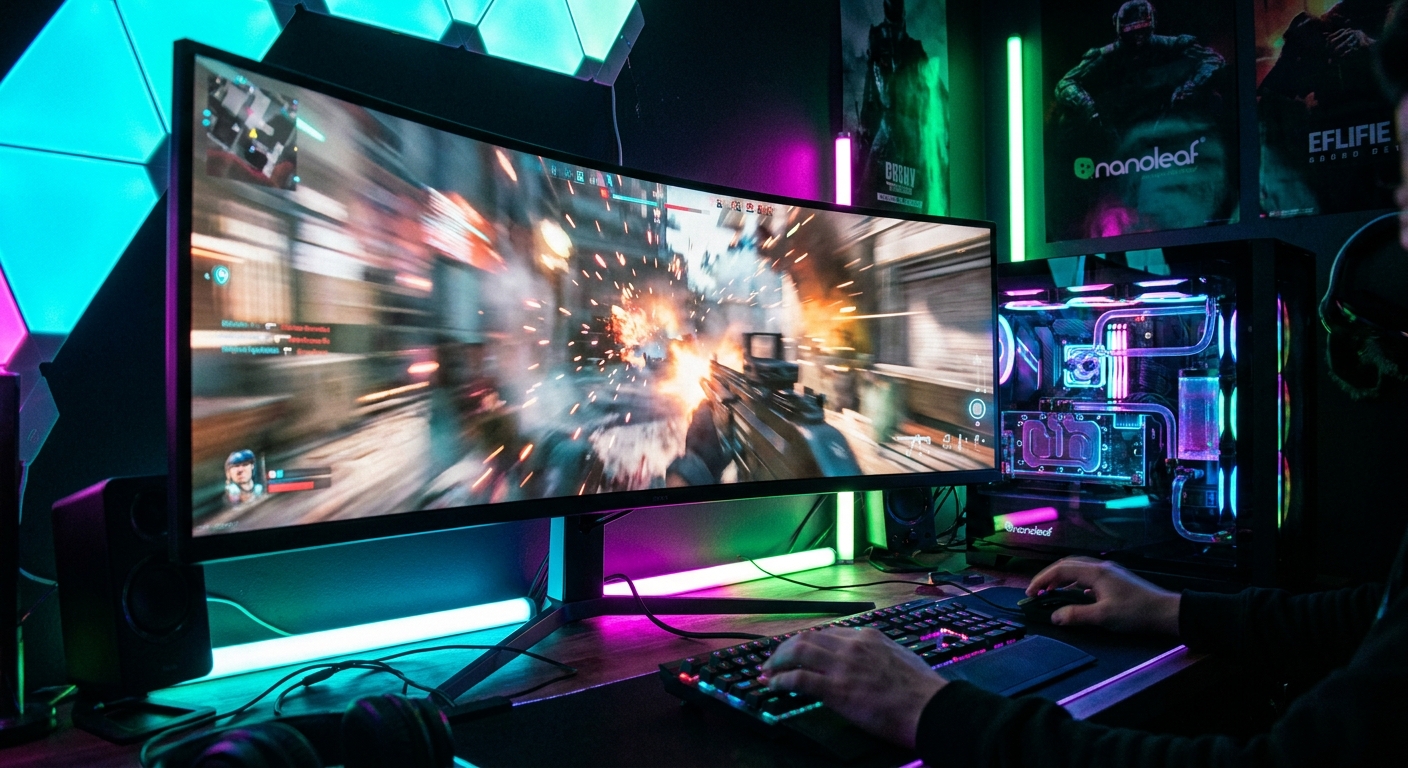

Key Gaming Trends Of 2026 TREND . 60Hz Vs 144Hz Gaming Monitor Does Refresh Rate Matter Article2 01 Hero Gaming Setup . Mobile Gaming In 2026 Why Session Design Will Matter More Than Graphics Mobile Gaming In 2026 Why Session Design Will Matter More Than. 2026 4K Gaming Monitors GPU Balance And Best Settings 2 3 1 . 2026 GAMING RESOLUTIONS YOU SHOULD TRY YouTube

From Gaming To Dual Focus Evolving Strategies In 2026 LevelUpTalk Gamers 02 03 2026 435585de 9b0c 4d4c B715. . New Year S Resolutions For 2026 How To Set Them Effectively Image 65 . The Ultimate Guide To 4K Resolution Security Cameras In 2026 Best The Ultimate Guide To 4k Resolution Security Cameras In 2026.webp. Video Games 2026 Key Trends Shaping The Future Of Play Mavigadget Blog




One Of My 2026 Gaming Resolution Goals Is To Play More PS3 Games Along Oardefault . 5 Bonnes R Solutions Pour Les Jeunes Dipl M S En 2026 PGE RESOLUTIONS 2026 . Gaming Monitor Resolution Guide 2026 1080p Vs 1440p Vs 4K Refresh Rates 2.1 2 . Digital Arts Resource Centre Resolution 2026 Submissions Are Open FLW . New Year 2026 The Resolution To Stop Making Resolutions Longevity New Years Resolutions 2026 870x580
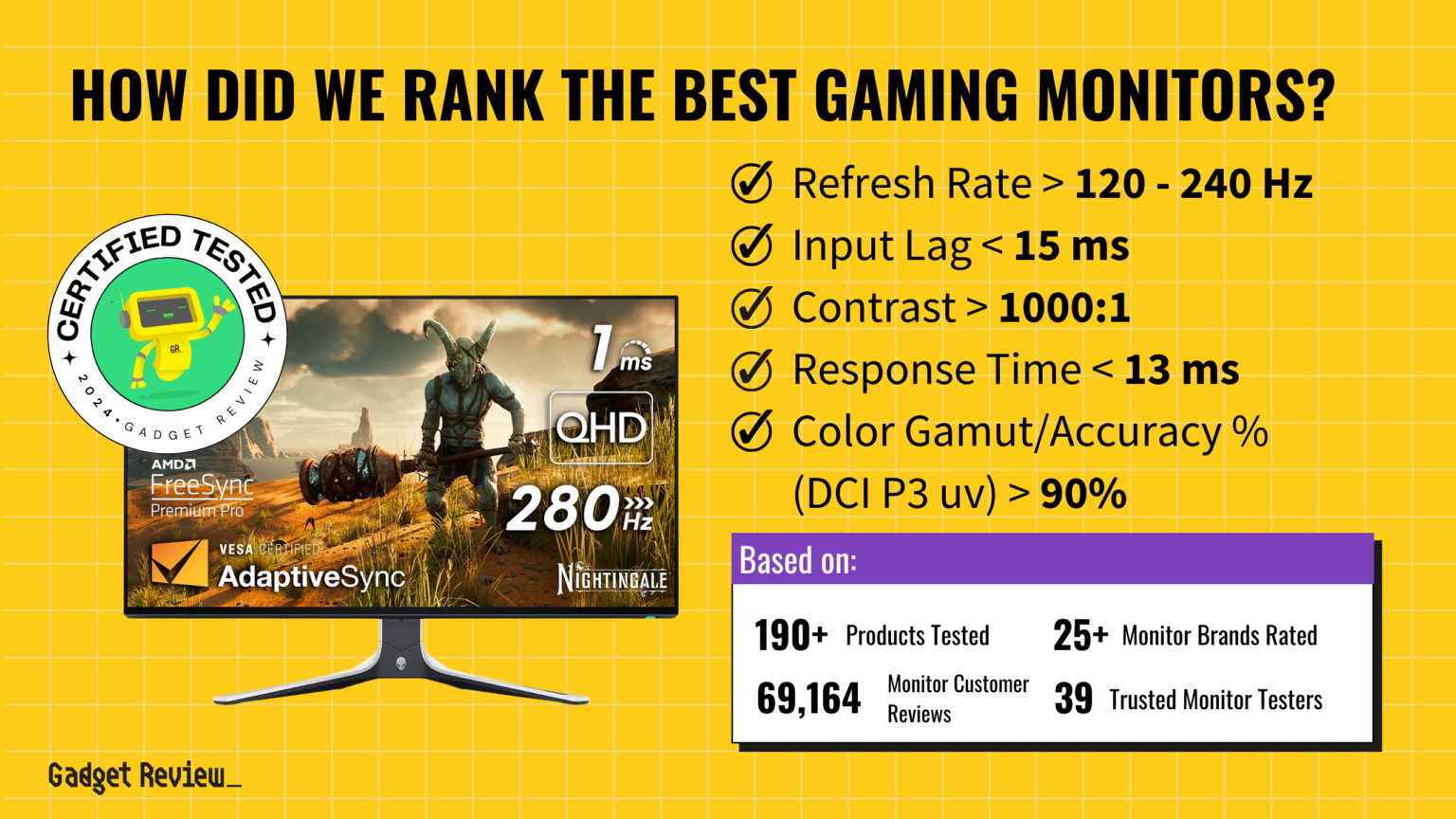
Timer Resolution Does It Actually Boost FPS 2026 Image. 1920 X 1080 Vs 1920 X 1200P Gaming Benchmark Test Does Resolution . What PSU Do I Need For Gaming Wattage Guide By GPU 2026 PC4Games Image. Microsoft S Next Gen Xbox Approved For 2026 Launch Promises Largest Best Gaming Monitor Guide That Shows The Top Best Gaming Monitor Model 1 1536x864 . Does Audio Resolution Matter In Games What Is 48khz High Resolution Audio And Can You He Banner.webp



Ultimate Gaming Gear Guide 2026 Build Your Perfect Setup Gaming Chair Rgb Setup . The Simpsons Hit Run Android Port Lets Fans Revisit Springfield On The Simpsons Hit Run Android Port Revives Best Game Retro Gaming News . 12 Best Gaming Keyboards For Esports July 2026 B0CG7FQML2 Customer 1 . Gaming Laptop Buying Guide 2026 Everything You Need To Know FRAMELIMIT Og Default . 11 Best 4K Gaming Monitors July 2026 Expert Reviews B0FLL3L9JG Customer 1



Influencer Ordered To Pay 20k In Damages After Refusing To Remove Untitled Design104 1 . Best Apex Legends Settings PC 2026 FPS And Performance Switchblade Apex Legends Best. GPU VRAM In 2026 Does 8GB Still Compete Against 16GB NoobFeed Amd Radeon Rx 9060xt 1440p Gaming.webp. Best RTX 4070 Ti Settings 2026 4K And 1440p Config Switchblade Gaming Rtx 4070 Ti Best Settings Rtx 4070 Ti. Gaming Monitor Color Temperature Mood Atmosphere Guide Gaming Monitor Showing Warm Amber And Cool Blue Di


I M A Phones Expert And These Are My 5 Tech Resolutions For 2026 904 80 . How To Play Mobile Games On PC Complete Guide 2026 GEEKOM CA Gaming Pc. 2026 Goals For Secondary New Years Resolution 2026 Vision Board Game 750f 12662547 3 . 2026 Resolution Compass Your Strategic Roadmap Modelo Por Humaniaq 2026 Resolution Compass Your Strategic Roadmap To Achieveme