Ever wondered if your favorite gaming YouTuber is truly independent or if game companies are secretly funding their content? The world of influencer marketing in gaming is complex and constantly evolving. This comprehensive guide explores the multifaceted ways gaming companies financially compensate YouTubers, from direct sponsorships and affiliate marketing to event appearances and free game access. Discover why these partnerships are critical for game promotion in 2026, understand the different payment models involved, and learn how creators navigate disclosure requirements. We delve into how these financial relationships impact content creation, viewer trust, and the overall gaming landscape. For gamers balancing jobs and family, understanding these dynamics can help you make informed decisions about new titles and hardware. Unpack the truth behind paid promotions and what it means for the content you consume, helping you optimize your gaming experience without falling for unvetted hype. This article provides practical insights and problem-solving information for discerning gamers.
Related games- Arcane Age Roblox Guide How to Master the Magic
- Guide: Maximize Rewards with Roblox Class Clash Codes
- How to Download Roblox on PS4 Your Complete Guide
- Guide: What Time Is Rays Game Today 2026?
- Guide to Roblox Developers Create Amazing Games
Do Gaming Companies Actually Pay YouTubers for Game Reviews?
Yes, many gaming companies absolutely pay YouTubers for various forms of content, including reviews, dedicated gameplay videos, and promotional spots. This practice is a cornerstone of modern video game marketing, tapping into the vast audience reach and trusted relationship creators build with their viewers. Payments can range from thousands to hundreds of thousands of dollars per campaign, depending on the creator's audience size, engagement rates, and the scope of the promotion. It's often part of a broader influencer marketing strategy designed to generate hype and drive sales, especially for new releases or significant game updates. The Federal Trade Commission (FTC) mandates that such paid promotions must be clearly disclosed to viewers.
What are the main methods gaming companies use to compensate YouTube creators?
Gaming companies primarily compensate YouTube creators through direct sponsorships for dedicated video content, integrated ad placements within videos, affiliate marketing links that offer commissions on sales, providing free game keys or early access to generate buzz, and funding travel or appearances at gaming events. These methods allow companies to leverage a creator's audience and influence for game promotion, particularly for new releases or significant updates. The specific compensation varies widely based on the creator's audience size, engagement, and the scope of the campaign. Transparency regarding these paid promotions is a legal requirement.
How much can a YouTube gamer earn from game company sponsorships?
The earnings a YouTube gamer can pull from game company sponsorships varies immensely, typically ranging from a few hundred dollars for smaller, emerging channels to hundreds of thousands or even millions for top-tier influencers with massive, highly engaged audiences. Factors like subscriber count, average view duration, video production quality, the specific game being promoted, and the overall campaign's length and complexity all play a significant role. Niche channels with highly dedicated viewers might command higher rates per view compared to broader channels. Payment models can include flat fees per video, performance-based commissions via affiliate links, or a combination of both.
Why do gaming companies choose YouTubers over traditional advertising?
Gaming companies increasingly favor YouTubers over traditional advertising because creators offer unparalleled authenticity, targeted reach, and a level of trust that resonates deeply with modern gamers. YouTubers can provide in-depth gameplay, personal reviews, and community engagement that a 30-second commercial cannot replicate. This taps into the social aspect of gaming, where recommendations from trusted voices hold more weight. Influencer marketing is often more cost-effective, generates higher engagement rates, and allows for precise targeting of specific gaming demographics, especially crucial for adult gamers seeking genuine insights rather than mere hype.
What responsibilities do YouTubers have when collaborating with gaming companies?
When collaborating with gaming companies, YouTubers have several key responsibilities. Foremost is the legal obligation to clearly and conspicuously disclose any paid partnerships or sponsored content, as mandated by the FTC. This ensures transparency with their audience. Creators are also expected to produce high-quality content that meets the agreed-upon brief, often adhering to specific messaging or gameplay requirements from the company. Maintaining their channel's integrity and audience trust is vital, meaning they should ideally only promote games they genuinely enjoy or find worthwhile. Professionalism, meeting deadlines, and respecting embargos are also crucial aspects of successful and ongoing collaborations.
How do gamers identify sponsored content from genuine recommendations on YouTube?
Gamers can identify sponsored content by looking for clear disclosure indicators. The FTC requires YouTubers to explicitly state when content is sponsored. Look for phrases like 'ad,' 'sponsored by,' 'paid promotion,' or 'in partnership with' at the beginning of the video, in the video description, or via YouTube's built-in disclosure features (e.g., 'Includes paid promotion' banner). Pay attention to a creator's tone and consistency; while enthusiasm can be genuine, an overly glowing review without any critique might be a red flag. Cross-referencing opinions from multiple creators and checking user reviews can also help discern genuine recommendations from paid endorsements, ensuring you make informed decisions about your gaming investments.
Are smaller YouTube gaming channels able to secure deals with gaming companies?
Yes, smaller YouTube gaming channels absolutely can secure deals with gaming companies, though the nature and scale of these partnerships differ from those with mega-influencers. Gaming companies often seek out 'micro-influencers' (channels with 10k-100k subscribers) or even 'nano-influencers' (under 10k subscribers) because these creators typically have highly engaged, niche audiences that offer excellent conversion rates. Smaller channels might receive free game keys, affiliate codes, or modest flat fees for dedicated videos, especially for indie games or specific genres. Building a strong, authentic community and consistently producing quality content are crucial for attracting these opportunities. Networking within the gaming industry and directly reaching out to developers can also open doors for smaller creators.
In the vibrant and ever-expanding universe of gaming, content creators on platforms like YouTube have become indispensable. From detailed game reviews and thrilling let's plays to competitive esports highlights and cozy gaming streams, these creators shape opinions and drive trends. But a question often lingers in the minds of many gamers, especially those of us juggling responsibilities: do gaming companies pay YouTubers? The short answer is a resounding yes, and understanding how these partnerships work is key to navigating the modern gaming landscape. For the average gamer, around 36 years old, who dedicates 10+ hours a week to gaming—often balancing it with work and family—knowing the financial ties behind your favorite creator’s recommendations can profoundly impact your purchasing decisions and overall trust. This guide will peel back the curtain, offering practical insights into the intricate relationship between gaming companies and YouTube creators, helping you discern genuine enthusiasm from sponsored promotion, and ultimately, making sure you get the best value for your precious gaming time.
US gaming statistics reveal that 87% of gamers play regularly, with mobile gaming dominating and social gaming trends continuously on the rise. Creators are at the heart of this. They don't just entertain; they influence. So, let’s explore the nuts and bolts of how gaming companies pay YouTubers and what it means for you, the savvy gamer looking for honest, timely content without the corporate spin.
How Do Gaming Companies Partner with YouTubers?
Gaming companies engage with YouTubers through a variety of strategic partnerships aimed at reaching diverse audiences and generating buzz for their titles. These partnerships are a cornerstone of modern marketing, recognizing that gamers often trust peer recommendations and content creators more than traditional advertisements. The methods vary significantly based on the creator's reach, content style, and the company's marketing goals. A common approach involves direct sponsorships where a developer or publisher pays a creator to feature a specific game or product in their video, often requiring a dedicated segment or even an entire video. This is particularly prevalent for new game launches or major updates, ensuring maximum visibility within a target demographic. Beyond direct payments, companies also provide free game keys, merchandise, and exclusive early access to content, which, while not direct cash, holds significant value for creators by enabling them to produce timely, unique content.
What are the Different Payment Models for YouTube Gaming Content?
When it comes to how gaming companies pay YouTubers, the payment models are diverse and often tailored to individual agreements. The most straightforward is a flat fee for sponsored content. This can range from a few hundred dollars for smaller channels to hundreds of thousands, or even millions, for mega-influencers, contingent on their subscriber count, average views, and engagement rates. Another popular model is performance-based payment, often utilizing affiliate links or unique promo codes. Here, the YouTuber earns a commission for every sale or sign-up driven by their audience using their specific link or code. This incentivizes creators to genuinely promote products they believe in, as their earnings directly correlate with audience action. Some deals also involve hybrid models, combining a base fee with a performance bonus. Additionally, indirect payments come in the form of advertising revenue sharing from YouTube itself, where videos featuring certain games might see a boost if the game is trending or if a company explicitly runs ads on that content. This complex web of financial relationships highlights the value gaming companies place on authentic creator engagement.
Why Do Gaming Companies Invest So Heavily in YouTube Creators?
Gaming companies pour significant resources into YouTube creators because it offers unparalleled reach, authenticity, and target audience engagement that traditional advertising often struggles to achieve. In an era where gamers, especially busy adults, prioritize genuine recommendations and community trust, YouTubers act as trusted guides. Creators can demonstrate gameplay, offer in-depth analysis, and share personal experiences that resonate deeply with viewers, painting a much richer picture than a short commercial ever could. This influencer marketing taps into the social gaming trends of 2026, where community and shared experiences are paramount. Furthermore, YouTubers can reach niche audiences effectively, whether it's fans of strategy games, cozy simulators, or competitive esports titles. For a company, a single viral video from a popular creator can generate more hype and sales than a multi-million dollar ad campaign, making it a highly cost-effective and impactful marketing channel. It's about building organic excitement and a loyal player base through trusted voices.
How Do These Payments Impact the Content Gamers Consume?
The financial relationship between gaming companies and YouTubers undeniably impacts the content gamers consume, creating both opportunities and challenges. On one hand, these payments enable creators to invest more in production quality, offer better giveaways, and dedicate full-time effort to delivering consistent, high-quality content. This means more polished videos, earlier access to new games, and deeper dives into titles we might not discover otherwise. On the other hand, it introduces a potential bias. When a creator is paid to promote a game, their review or opinion might be consciously or unconsciously swayed. Savvy gamers, those who value authentic experiences and hate wasted time on hyped-up flops, need to be aware of this. It becomes crucial to look for clear disclosures, critically evaluate reviews, and cross-reference opinions from multiple sources. For us adult gamers balancing life, trust is paramount when deciding which game to invest our limited time and money into, making transparency from creators more important than ever.
Are All Gaming Sponsorships Disclosed as Required by Law?
The Federal Trade Commission (FTC) in the US mandates clear and conspicuous disclosure for all sponsored content, including gaming videos on YouTube. This means that if a gaming company pays a YouTuber for a promotion, the creator must clearly inform their audience about the partnership. Common methods of disclosure include: a verbal mention at the beginning of the video (
Gaming companies pay YouTubers through various methods including direct sponsorships, affiliate marketing, ad revenue sharing, event appearances, and free product provisions. Disclosure of sponsored content is legally required and crucial for maintaining viewer trust. These partnerships are a core strategy for game promotion, impacting content creation and viewer purchasing decisions. Understanding these dynamics helps gamers identify genuine recommendations versus paid endorsements.
35
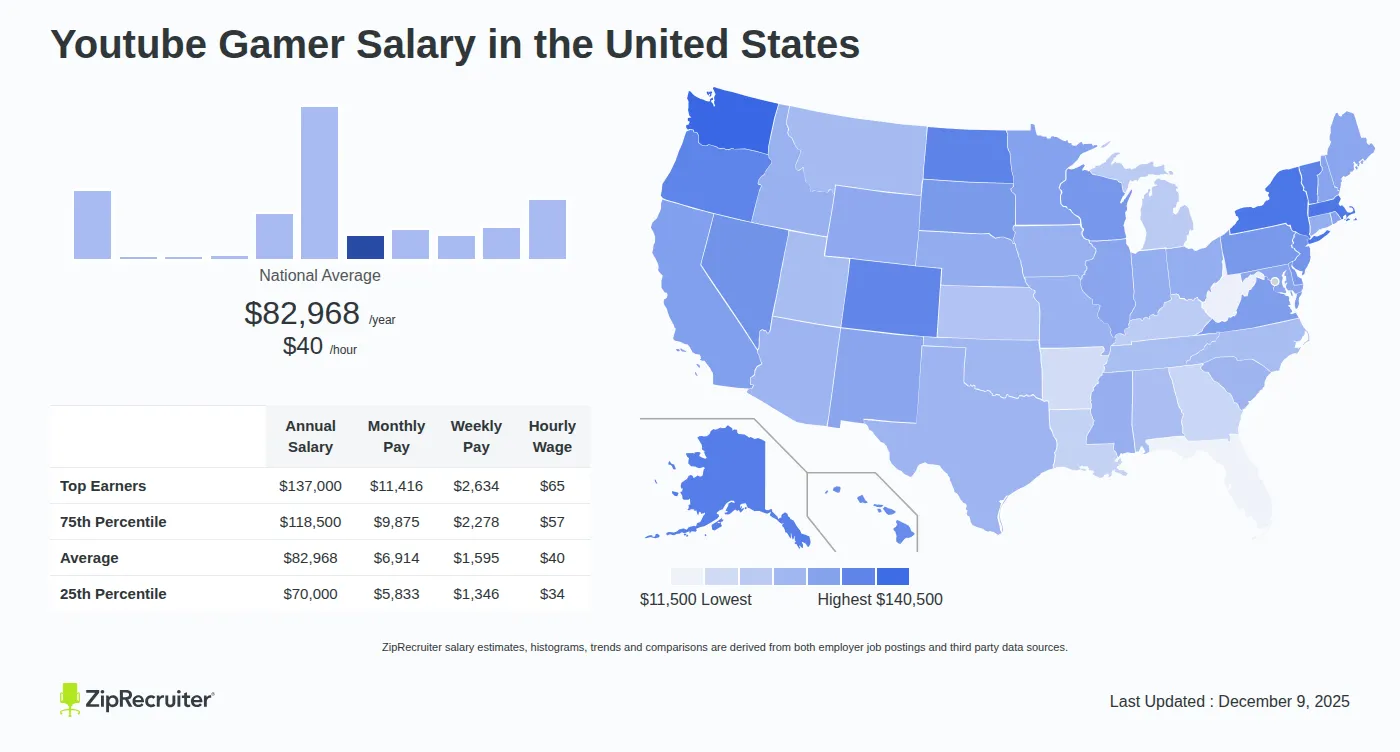

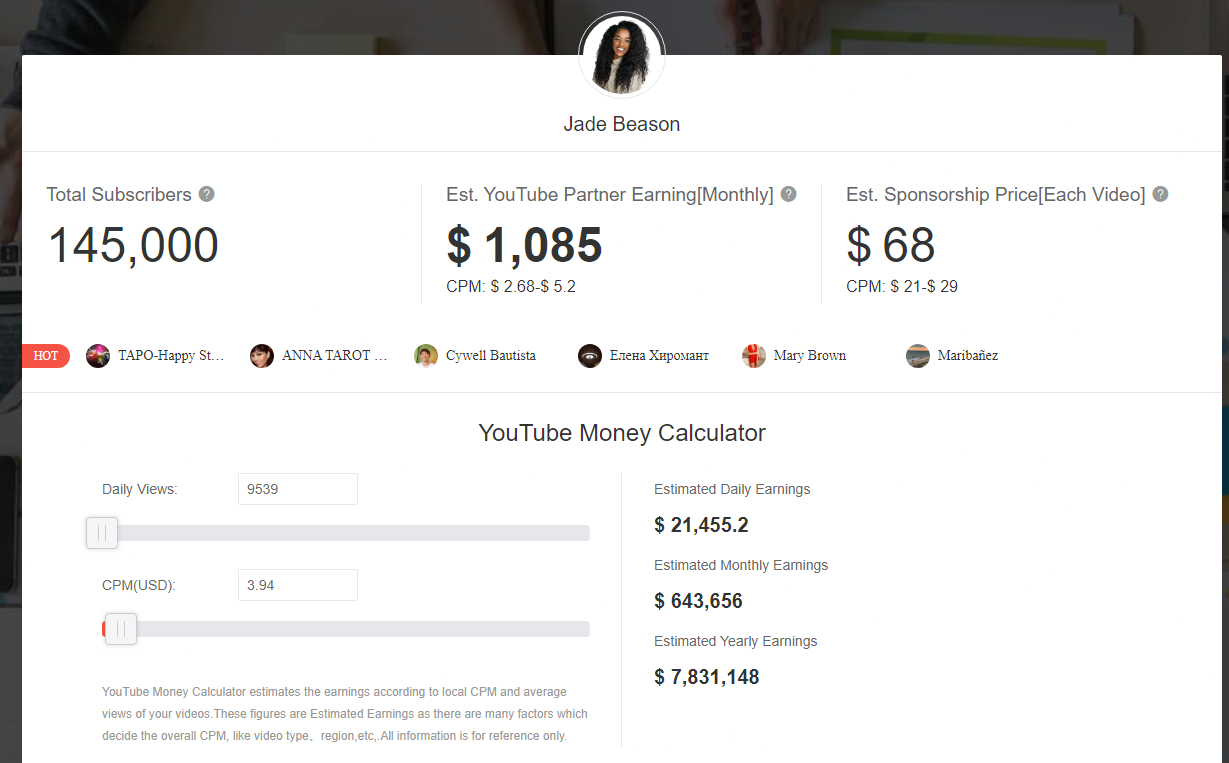
Top Gaming YouTubers In India 2026 Most Popular Indian Gaming Top Gaming Youtubers In India.webp. Salary Youtube Gamer June 2026 United States Youtube Gamer Salary.webp. Most Subscribed Gaming Youtubers Future 2021 2026 Flourish . How Much Do YouTubers Make 2026 Earnings 9Bf20DJ. 20 Top Gaming YouTubers 20 Most Popular Gaming Youtubers 2025
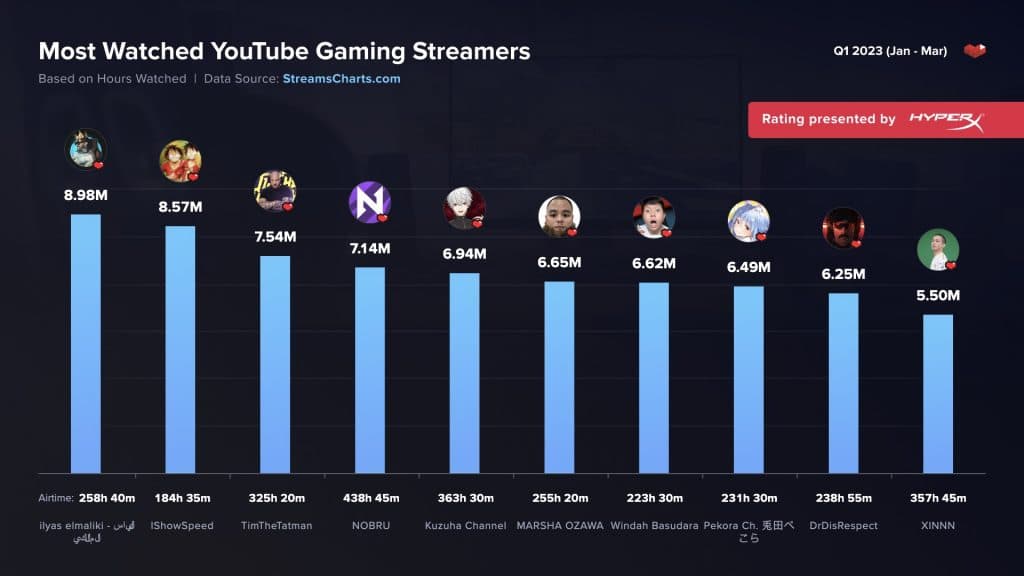

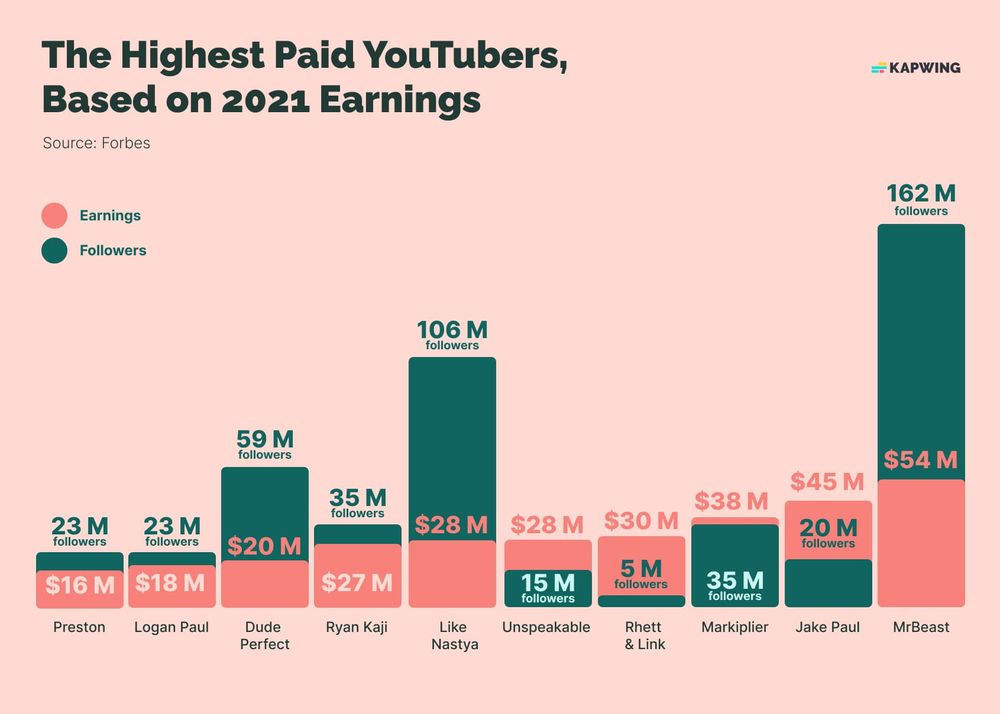
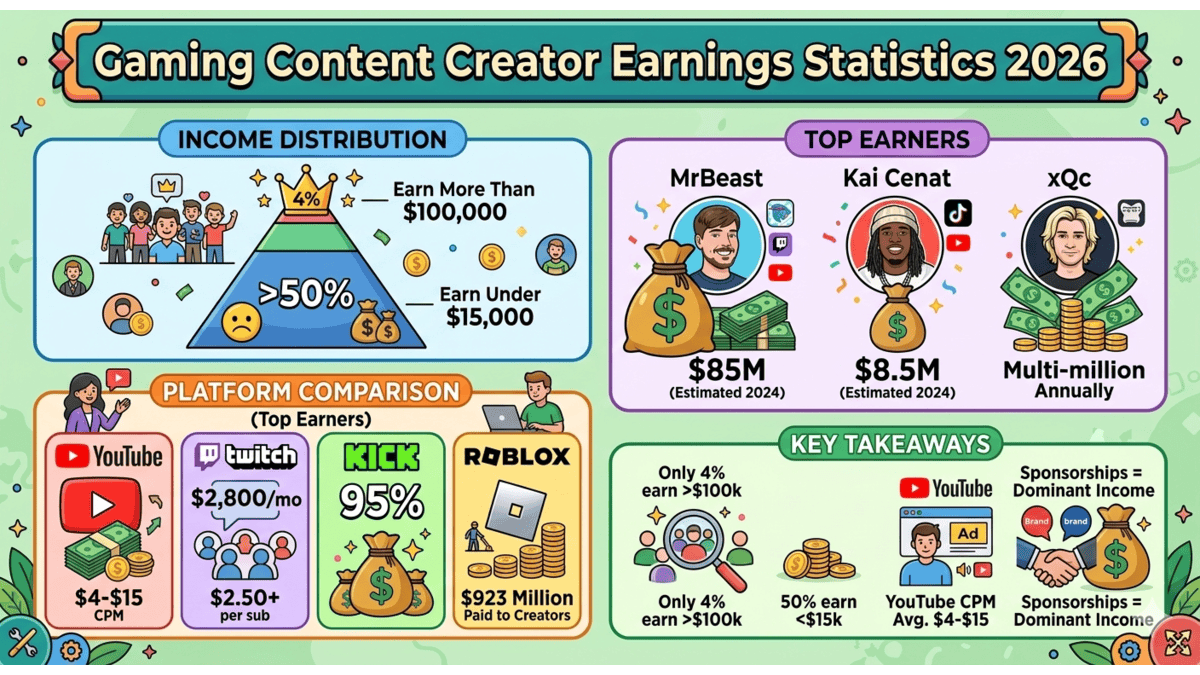

YouTube Gaming Has A New Biggest Streamer And It S Not IShowSpeed Or Dr Youtube Gaming 2023 Stats 1024x576 . Salary Youtube Salary Mania Info . The Top YouTube Stats You Need To Know In 2023 Highest Paid Youtubers In Millions . Gaming Content Creator Earnings Statistics 2026 Gaming Content Creator Earnings Statistics 2026 . YouTube S Top Earners Eight Year Old Ryan Tops List With 26m BBC News 110215233 2019top Paid Youtubers V2 640 Nc


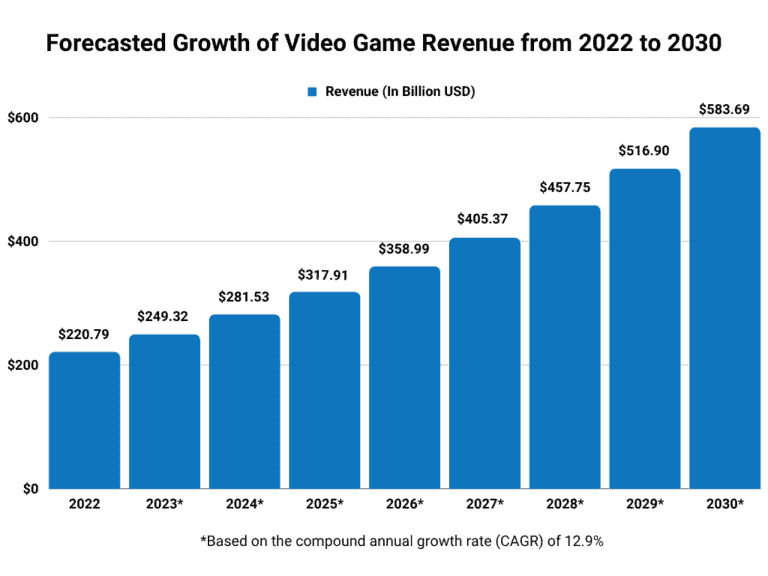

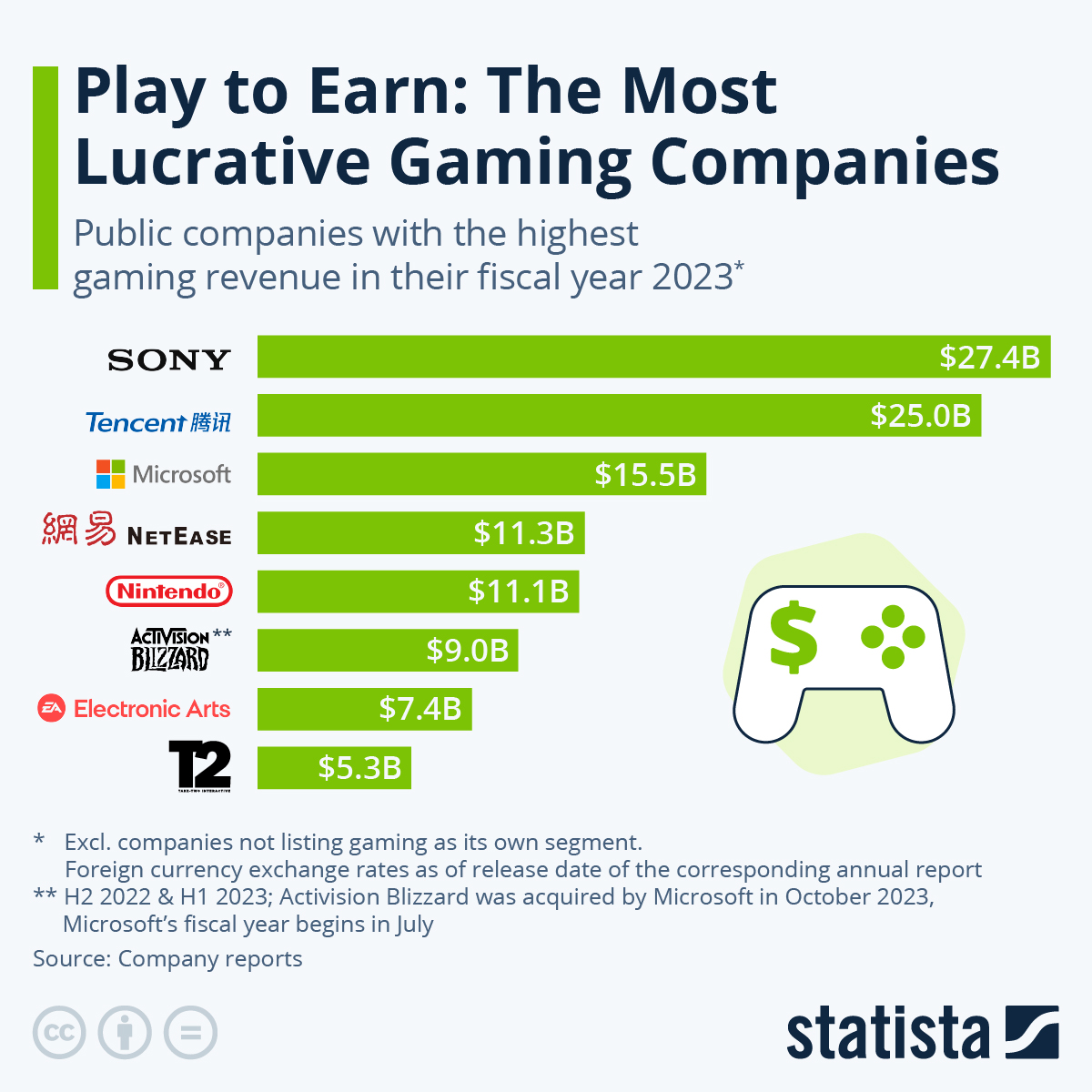
Gaming Industry Statistics And Revenue Data 2026 Icon Era Statistics Gaming Industry Revenue Statistics 2026 . Gamer Salary Statistics 2026 Icon Era Statistics Gamer Salary Statistics 2026 768x819 . Video Game Industry Revenue Market Share Apr 2023 S29 2 Forecasted Revenue 768x576 . Most Subscribed Gaming YouTube Channels Of All Time 2006 2024 YouTube . Chart The Most Lucrative Gaming Companies Statista 27523

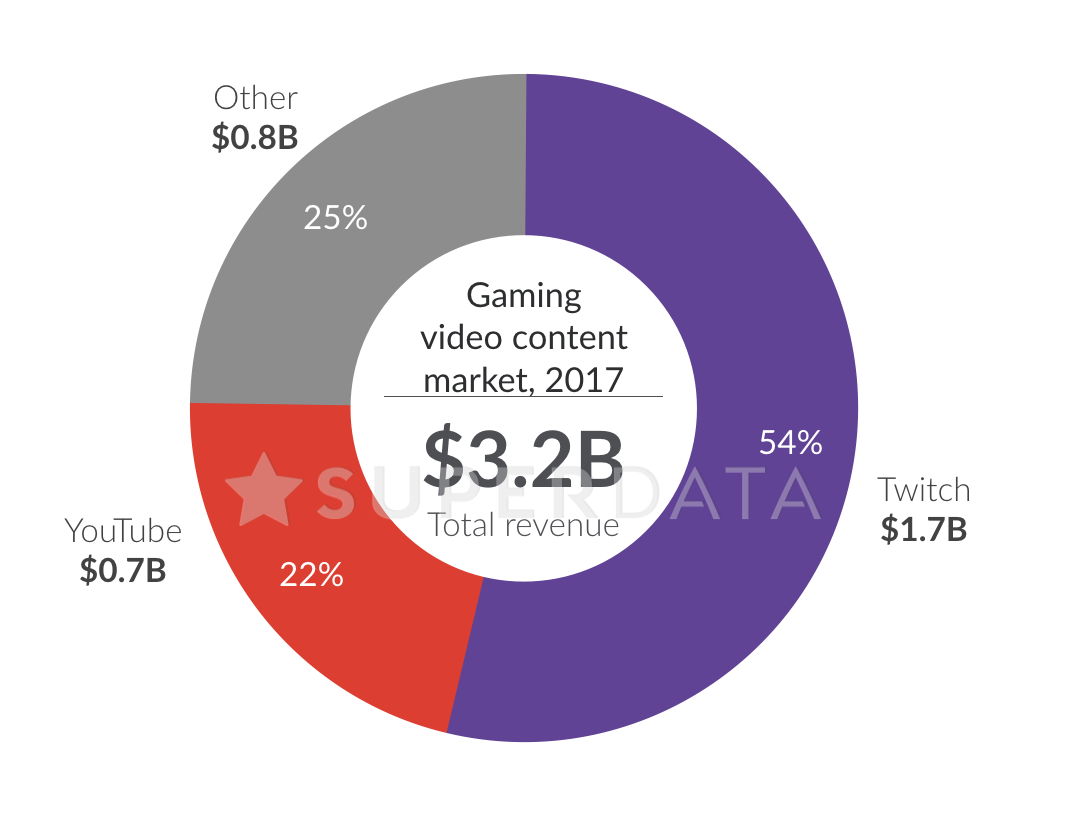
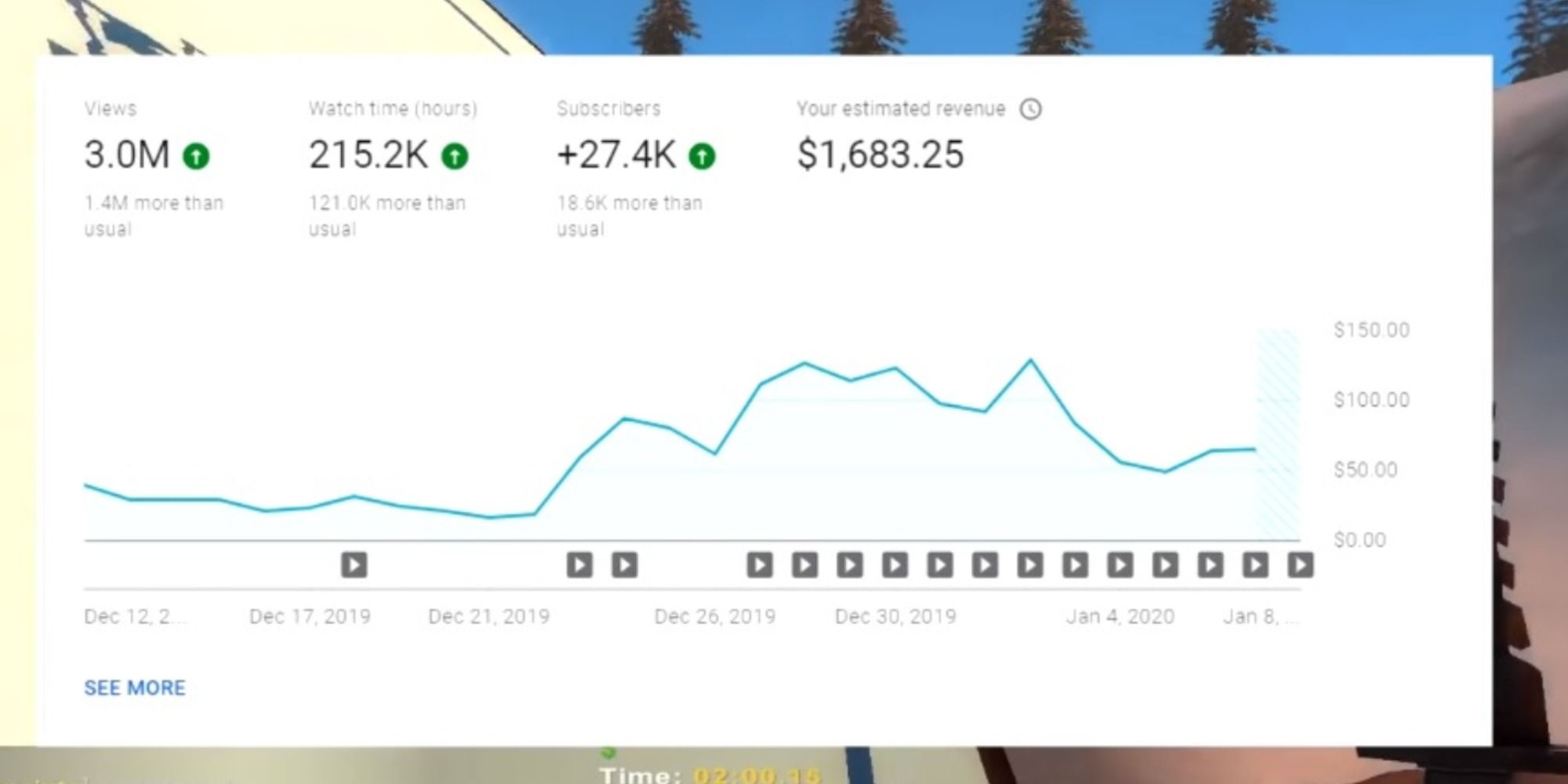
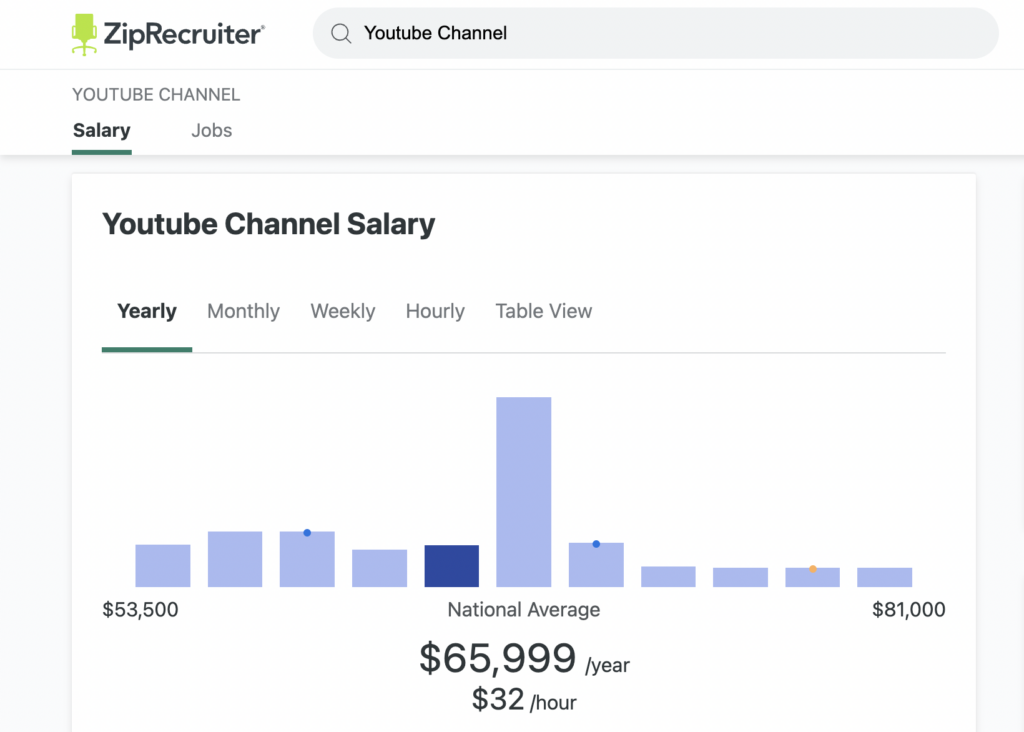
Which Gaming Company Pays The Highest Salary Top 10 List Copy Of Copy Of Wayfinder Login Failed Featured . YouTube Gaming Video Revenues Drop By 50 Year Over Year 60671 902 Youtube Gaming Video Revenues Drop 50 Year Over Full . How Much Money Do Gaming YouTubers Make From Ad Revenue YouTube MattCS CPM 1 . How Much Do YouTubers Make In 2026 Forbes Data Real Disclosures Opengraph Image X8nqxr. How Much Do YouTubers Make How To Earn More Top Earners In 2026 Screen Shot 2023 05 23 At 3.21.37 PM 1024x732


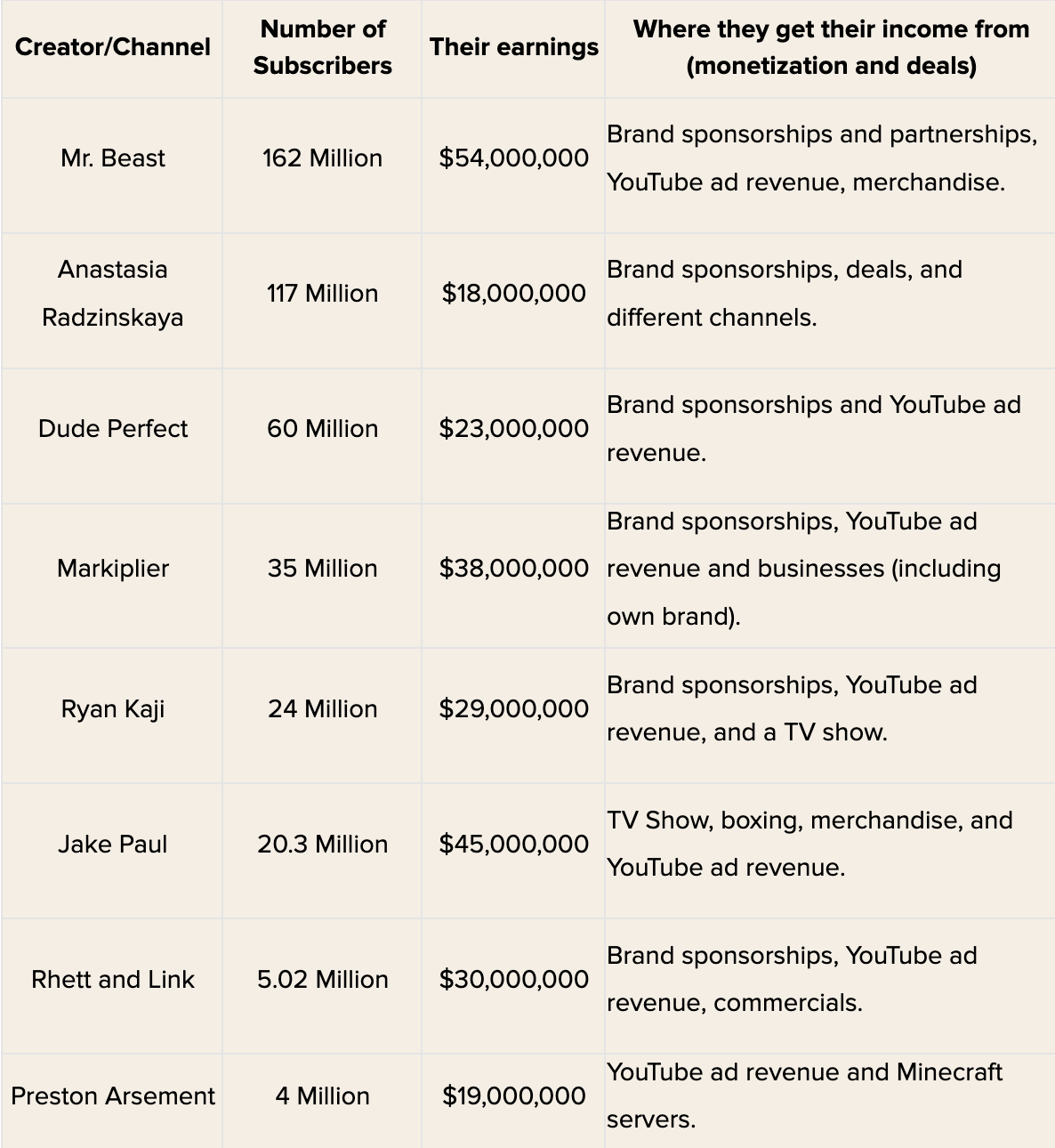
Top 10 Biggest Gaming Companies By Their Gaming Visual Data . SECRETS REVEALED How To Become A SUCCESSFUL Gaming YouTuber Earn . How Much Do YouTubers Make In 2024 Updated . How Much Do YouTubers Make In 2024 Earnings Revealed Screenshot 2024 01 26 At 5.09.16 PM . Game Industry Usage And Revenue Statistics 2026 Gaming Revenue
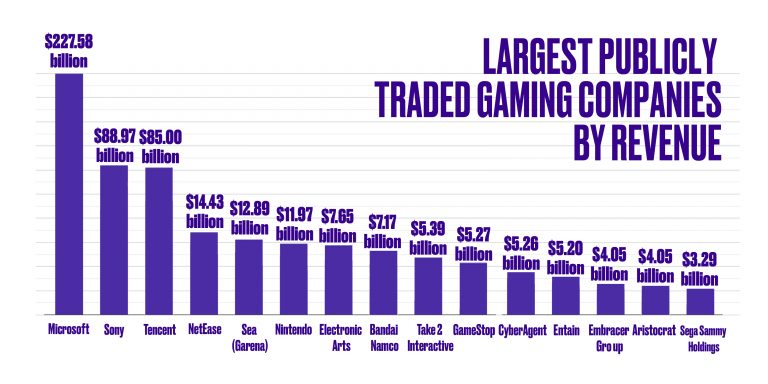
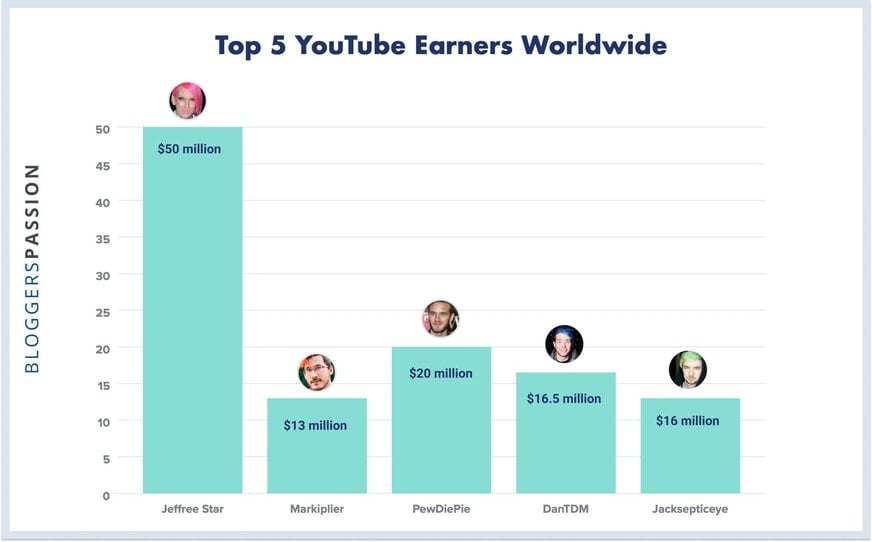


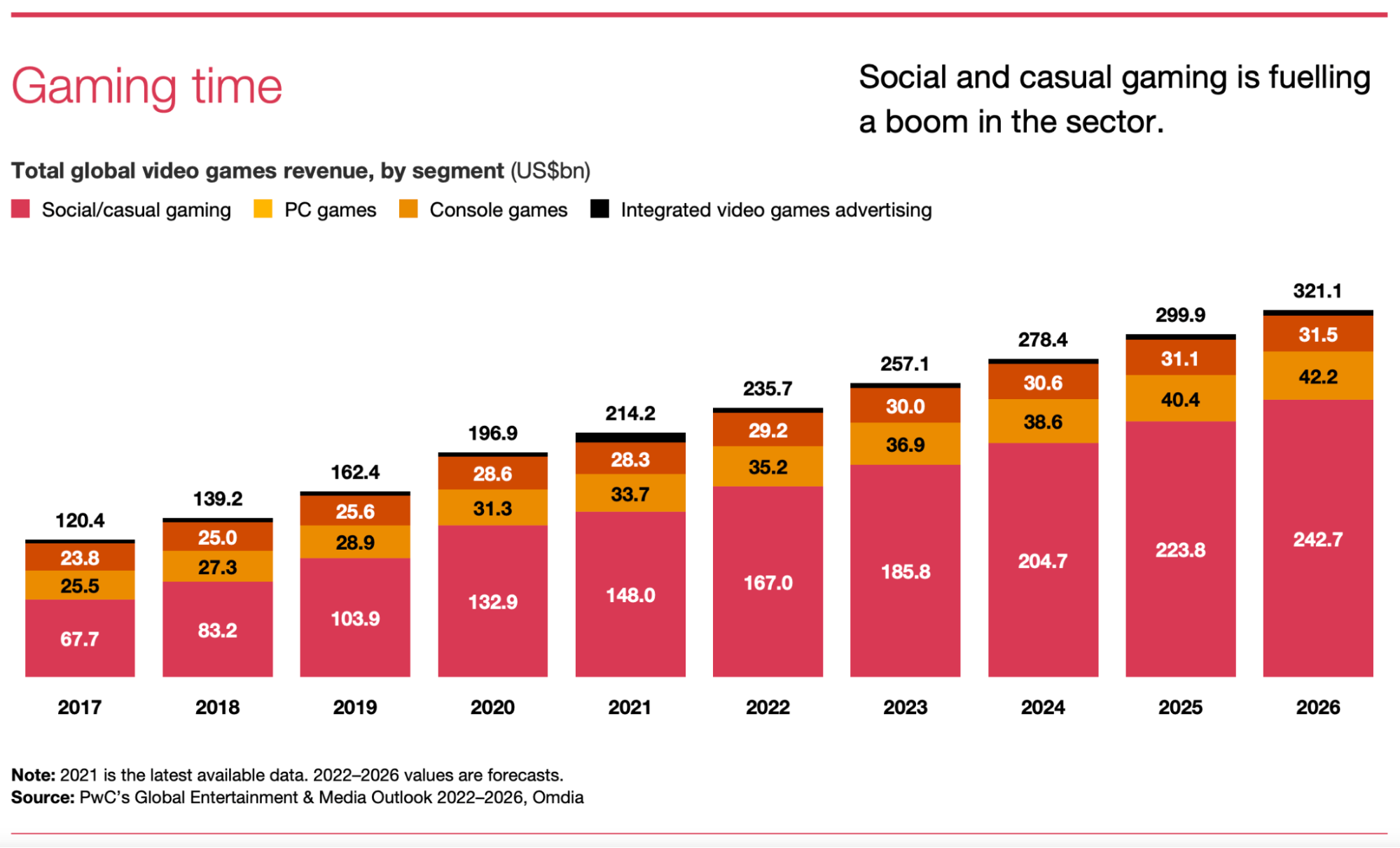
Largest Gaming Companies Ranked By Revenue 2024 Chart Largest Publicly Traded Gaming Companies 1 768x384 . How Much Money Do Top YouTubers Earn 2021 Edition Best Youtube Earners . Global Video Gaming Revenue Will Surpass 300 Billion By 2026 London Gaming . How Much Is The Gaming Industry Worth In 2026 Revenue Stats Image 40 1024x578 . The Highest Paid YouTubers Of 2026 Gazette Review Youtubers 645x357


What Are The Most Profitable YouTube Niches How Much Do Gaming Youtubers Make . Top 25 Indian Richest Gaming YouTubers Making Crores In 2026 Artboard 1 Copy 4 . Video Game Industry Revenue At James Bowman Blog 72703 34 2019s Top Earning Video Game Companies Sony Conquers The Charts Full . Video Game Industry Revenue Market Share 2026 S29 7 Gaming Market Revenue By Region 768x615 . Game Industry Usage And Revenue Statistics 2026 Video Game Industry Revenue Year